Frontline Voices
Frontline Voices
Overview
Across every country where LAW works, survivors, witnesses and advocates are sharing their experiences. Women, men, girls and boys give testimony through their words — or turn those words into art — in the pursuit of advocacy, accountability and change. Names and identifying details may be withheld or changed to protect the identity of those who wish to remain anonymous.
TESTIMONY
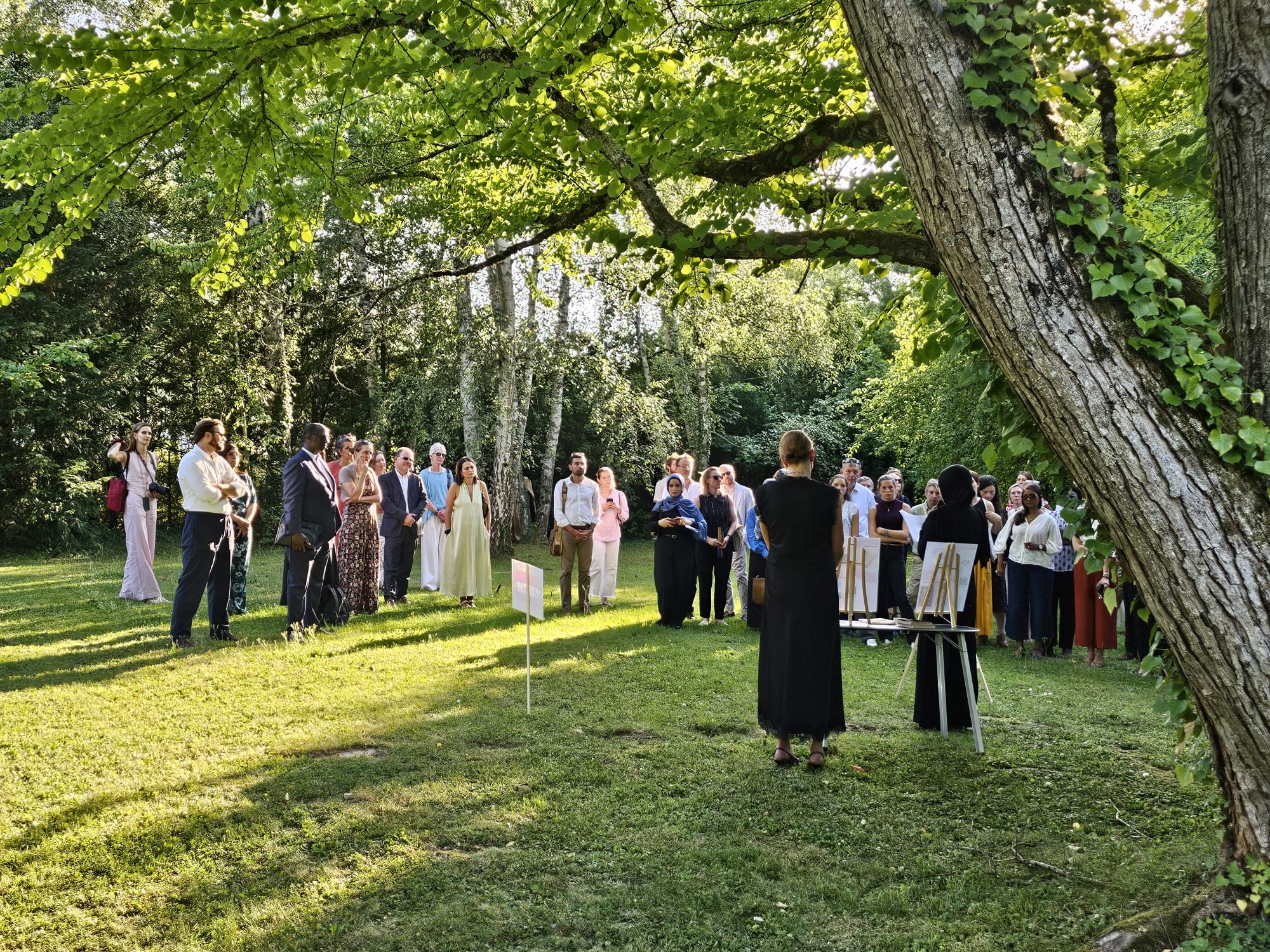
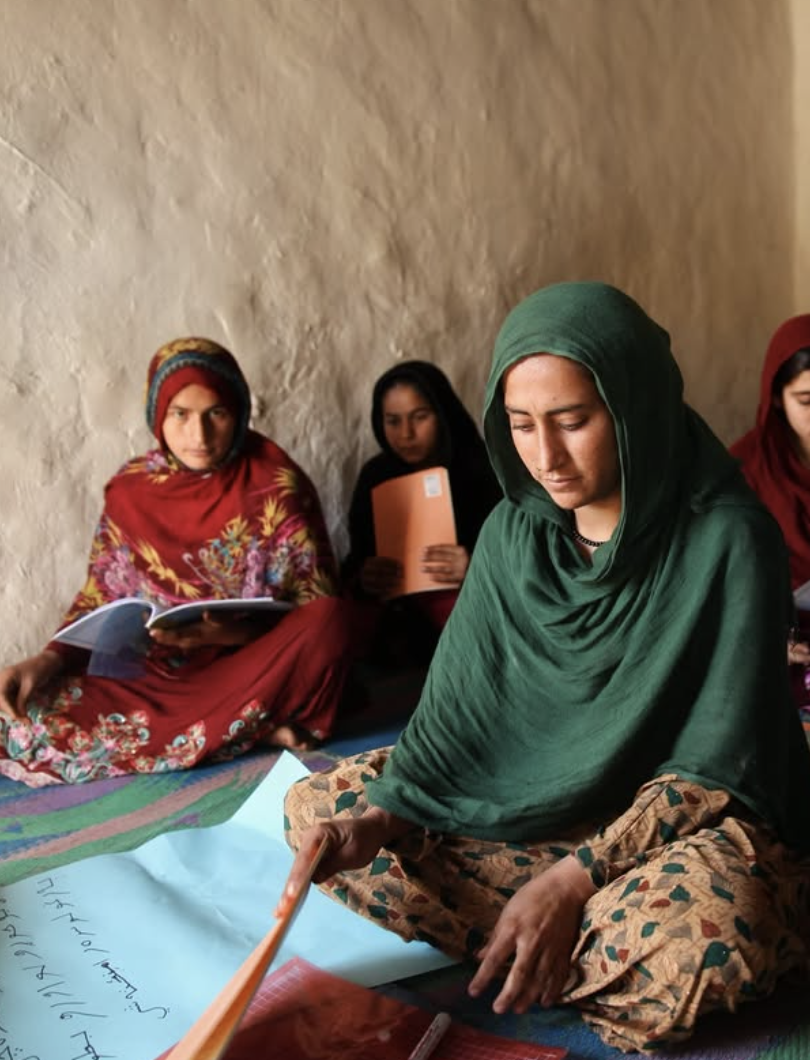
Voices from the Frontline — Afghanistan
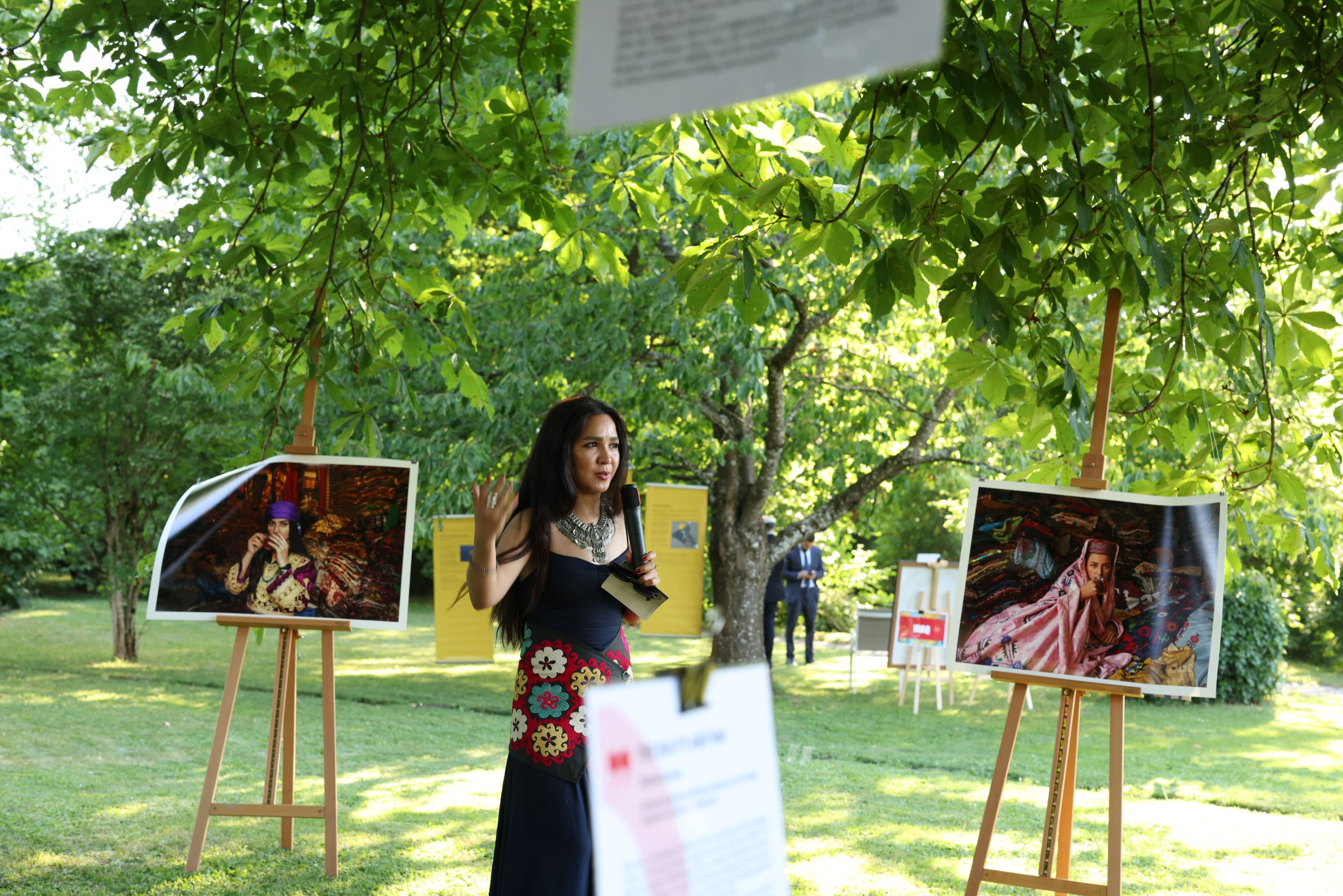
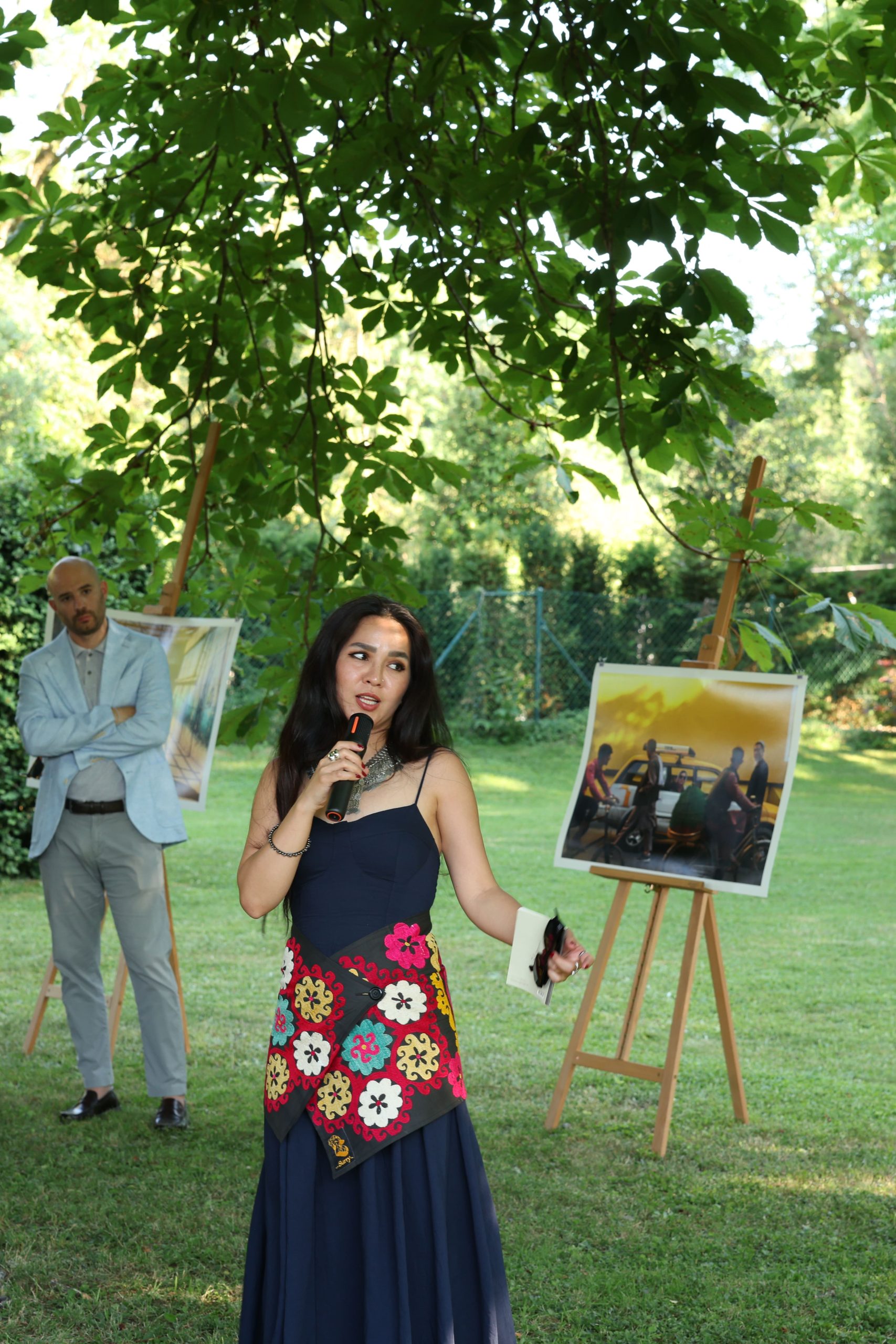
"The lives of Afghan women, their grace and endurance, have long remained concealed from the world’s gaze. In recent decades, conflict has cast a shadow over their stories, distorting their identities into a single, sorrowful narrative. Their beauty, capabilities, and voices have been overshadowed, framed solely through the lens of victimhood. Yet within this darkness lies a different truth. a hidden splendor, a profound resilience."
In pictures
TESTIMONY
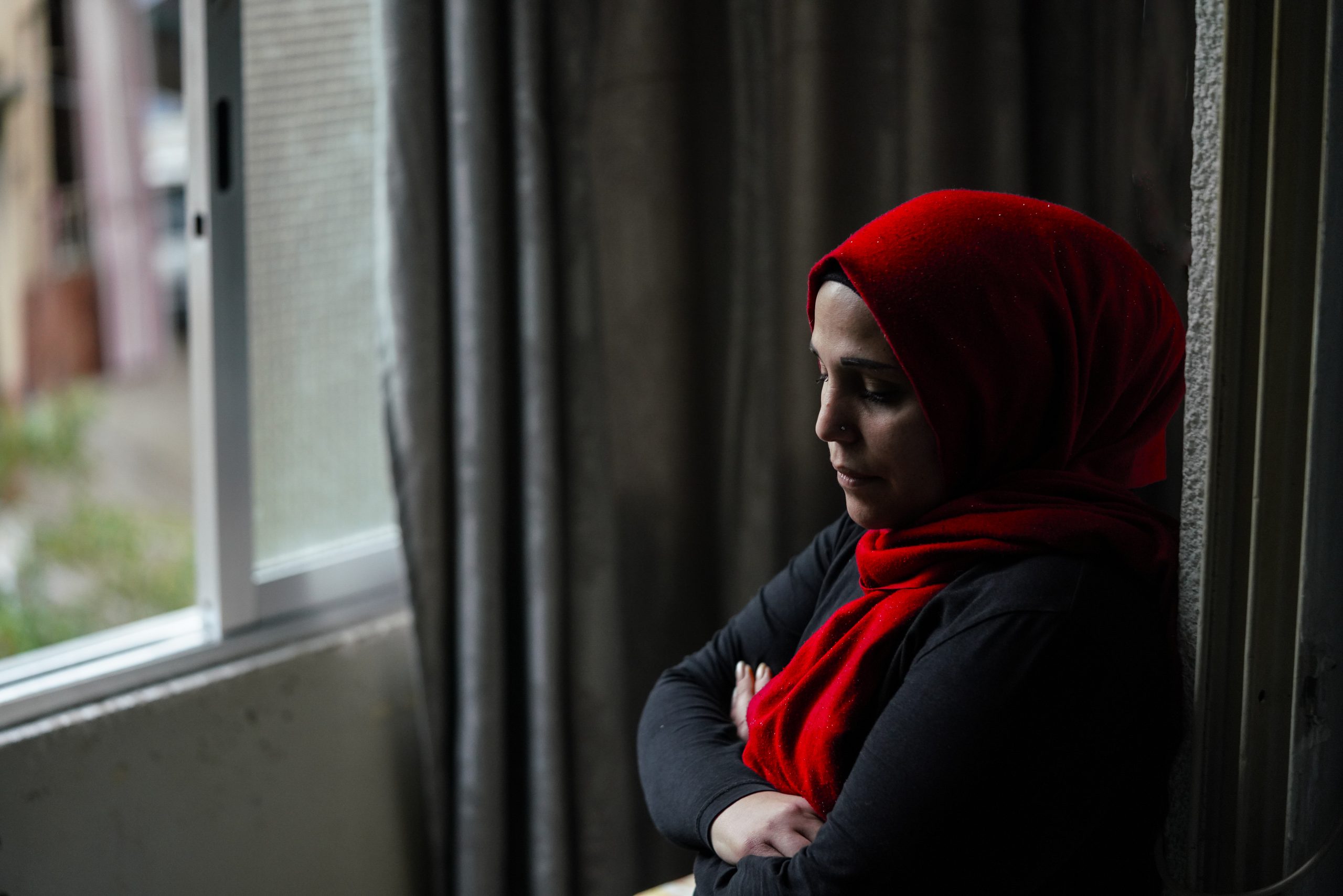
Voices from the Frontline — Lebanon
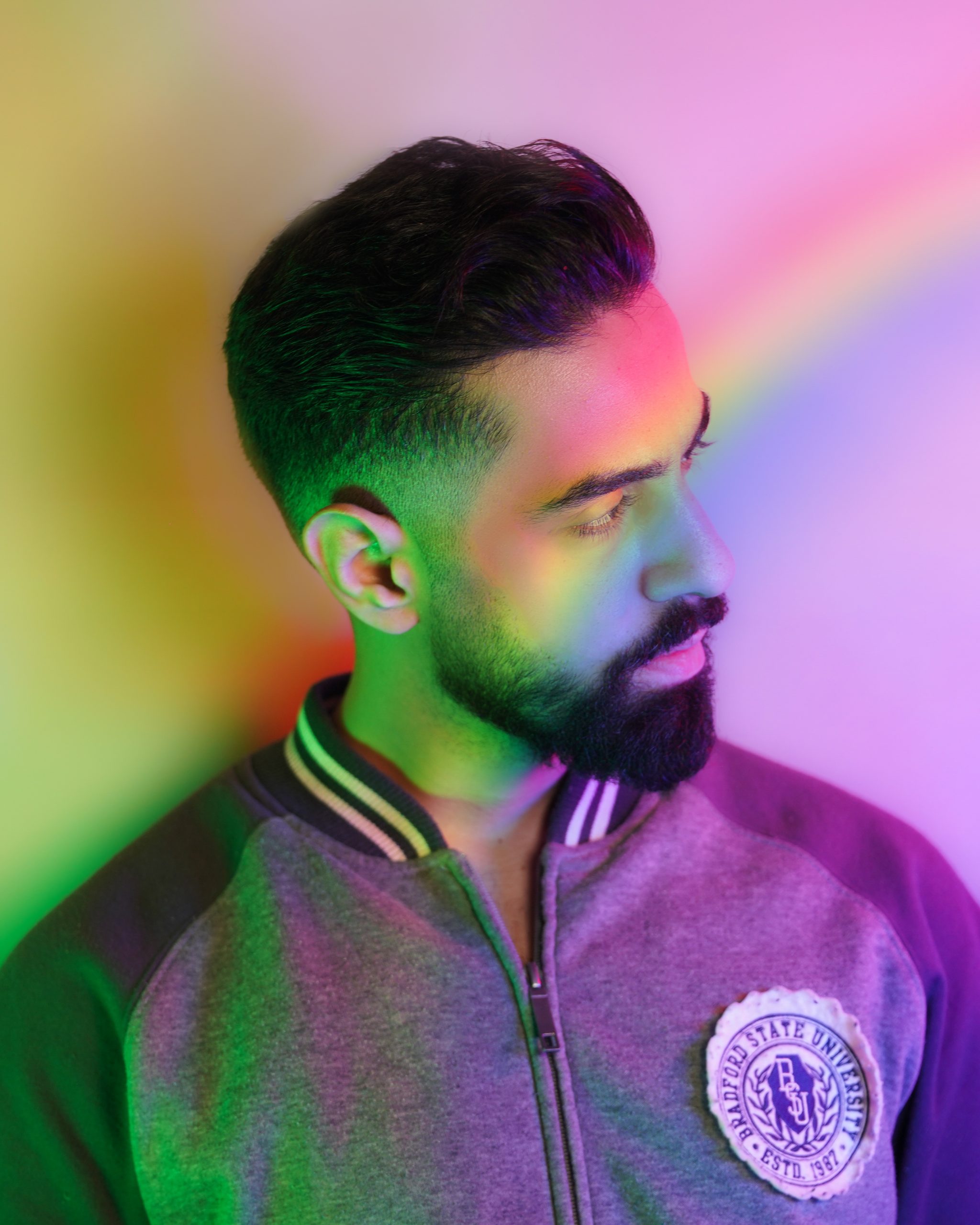
"The media also plays a role, in my opinion, where they call them in Arabic “shouzouz” meaning abnormal or eccentric because under the Lebanese law, being from the LGBTQI+ is punishable."
In pictures
TESTIMONY
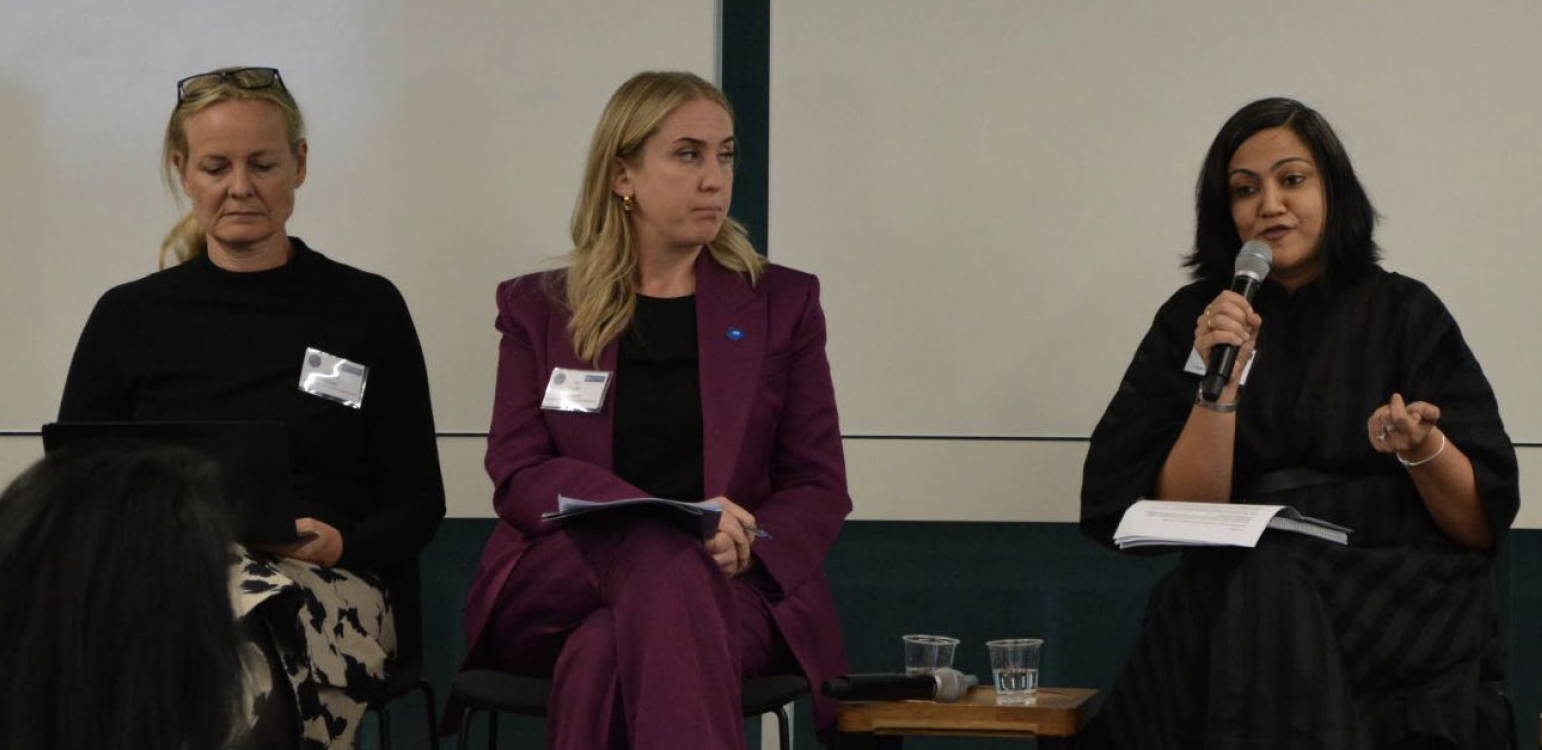
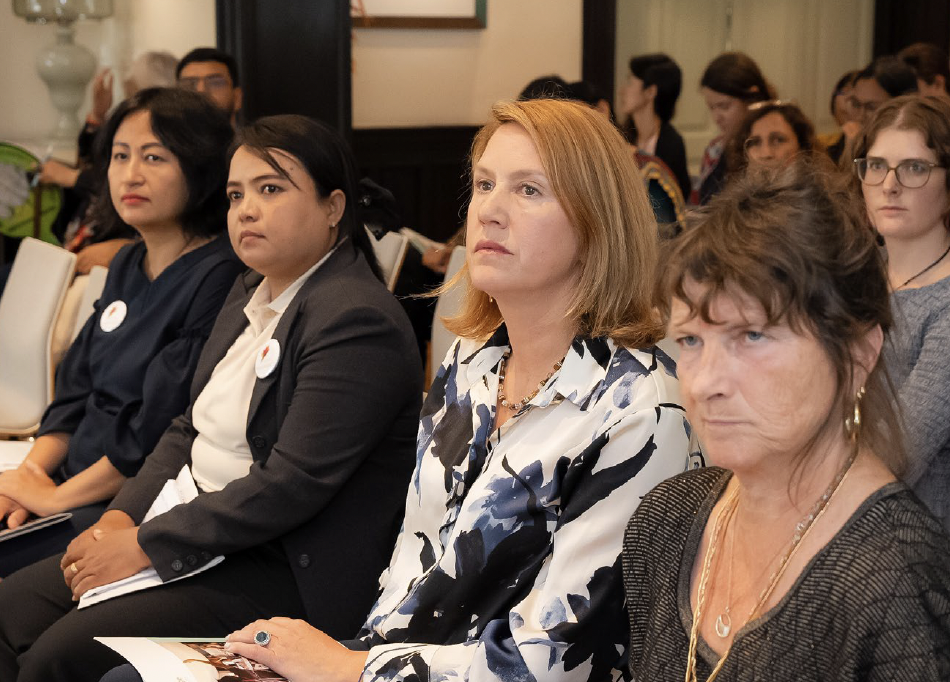
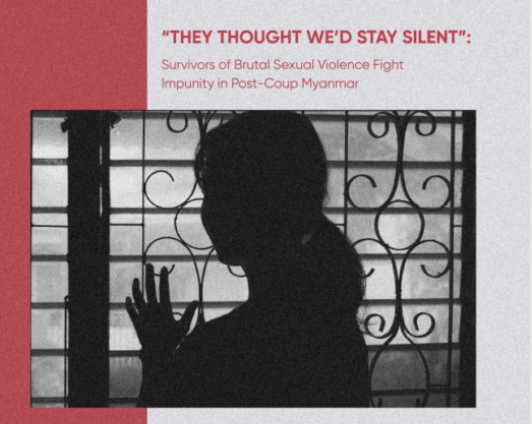
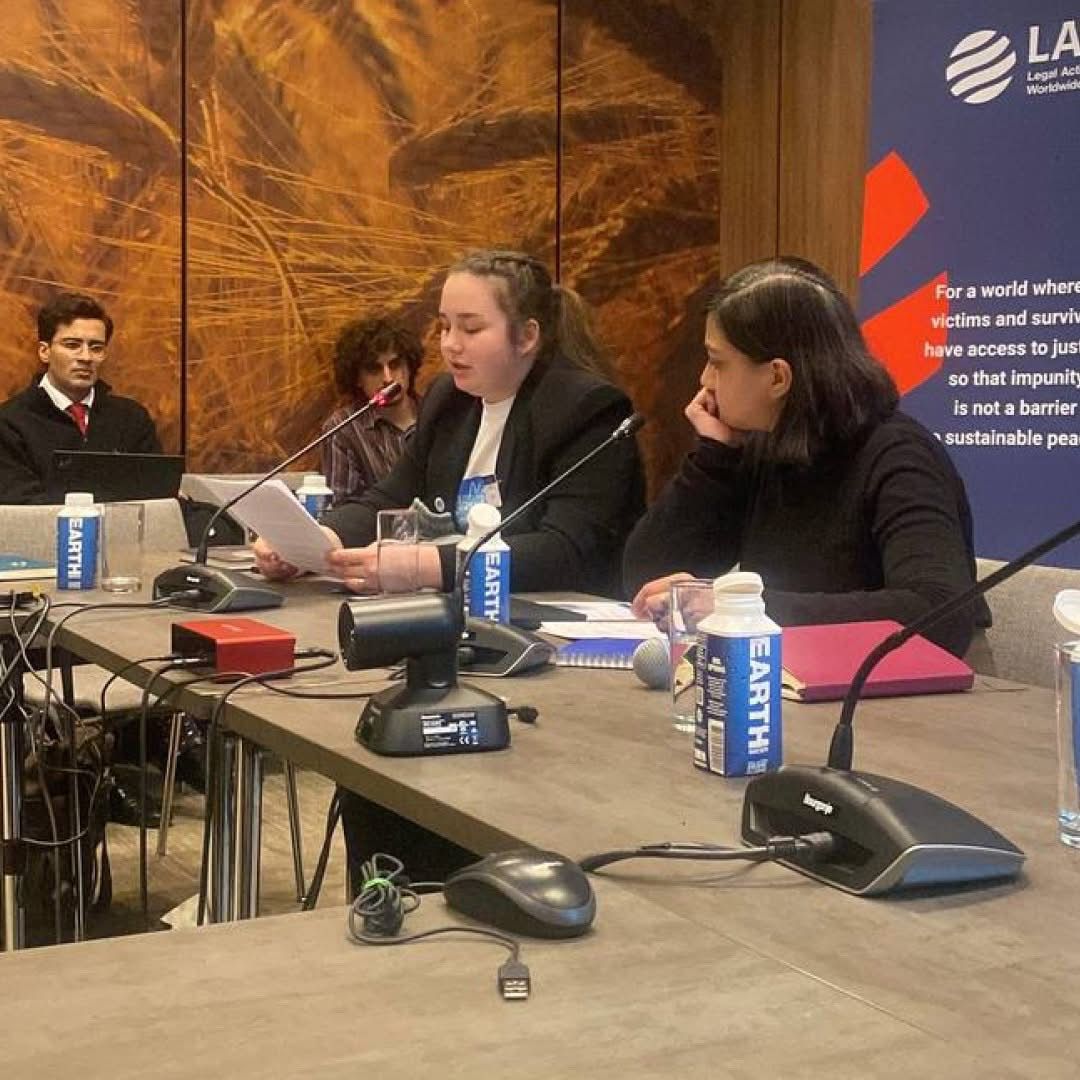
Voices from the Frontline — Myanmar
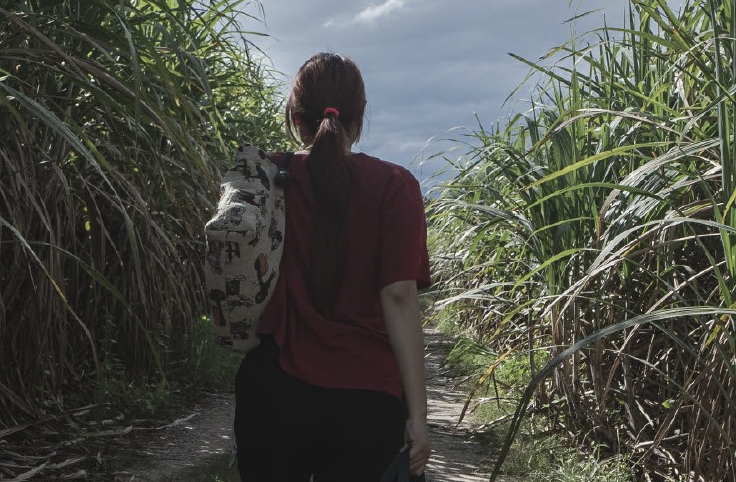
"We do not ask for pity. We demand justice. Our voices testify not only to suffering but also to resilience and the determination to break this cycle of violence. We refuse to let our pain be forgotten, and we refuse to allow perpetrators to escape accountability because of rank, power, or political compromise."
In pictures
TESTIMONY
Voices from the Frontline — Northern Ethiopia & Tigray
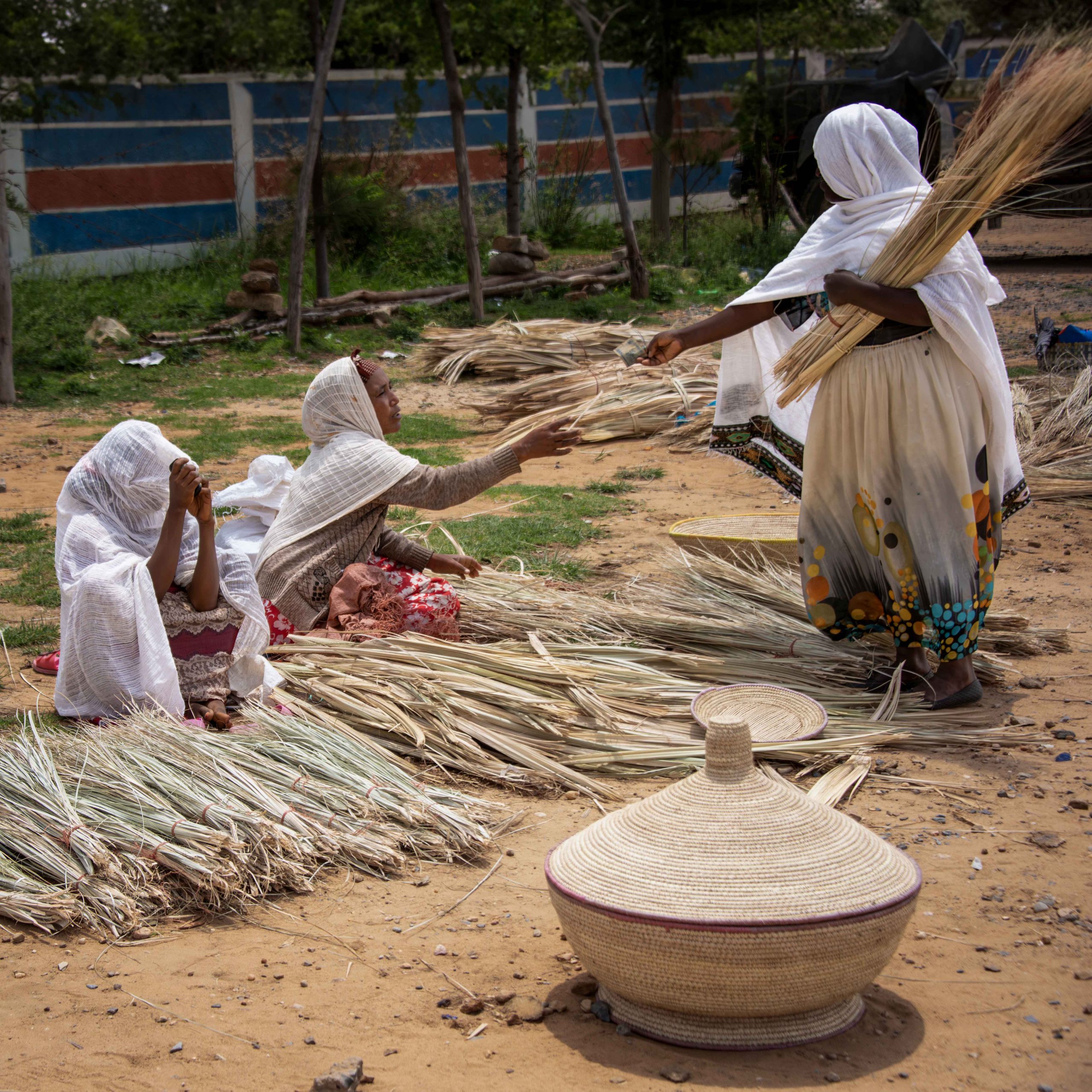
"Your efforts give hope not only to these survivors, but to millions of Tigrayans who have endured unimaginable suffering. This hearing is a vital step toward accountability."
In pictures
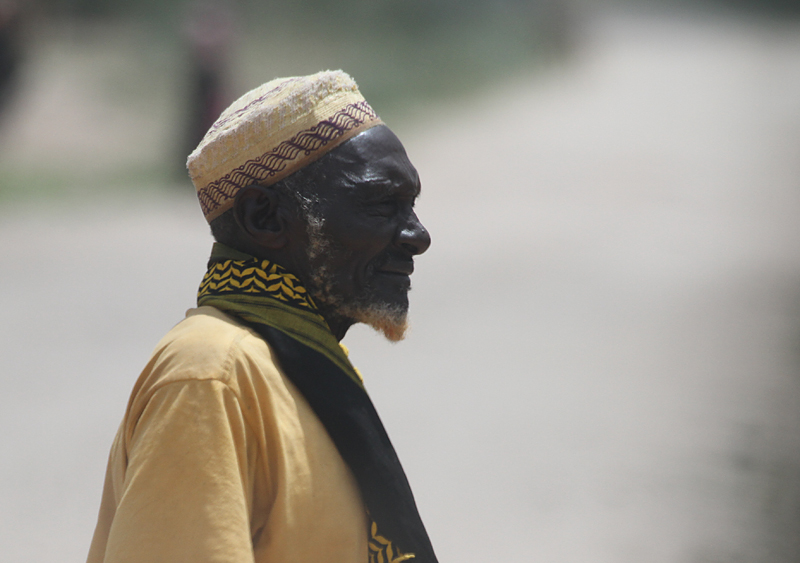
TESTIMONY
Voices from the Frontline — oPt/Israel
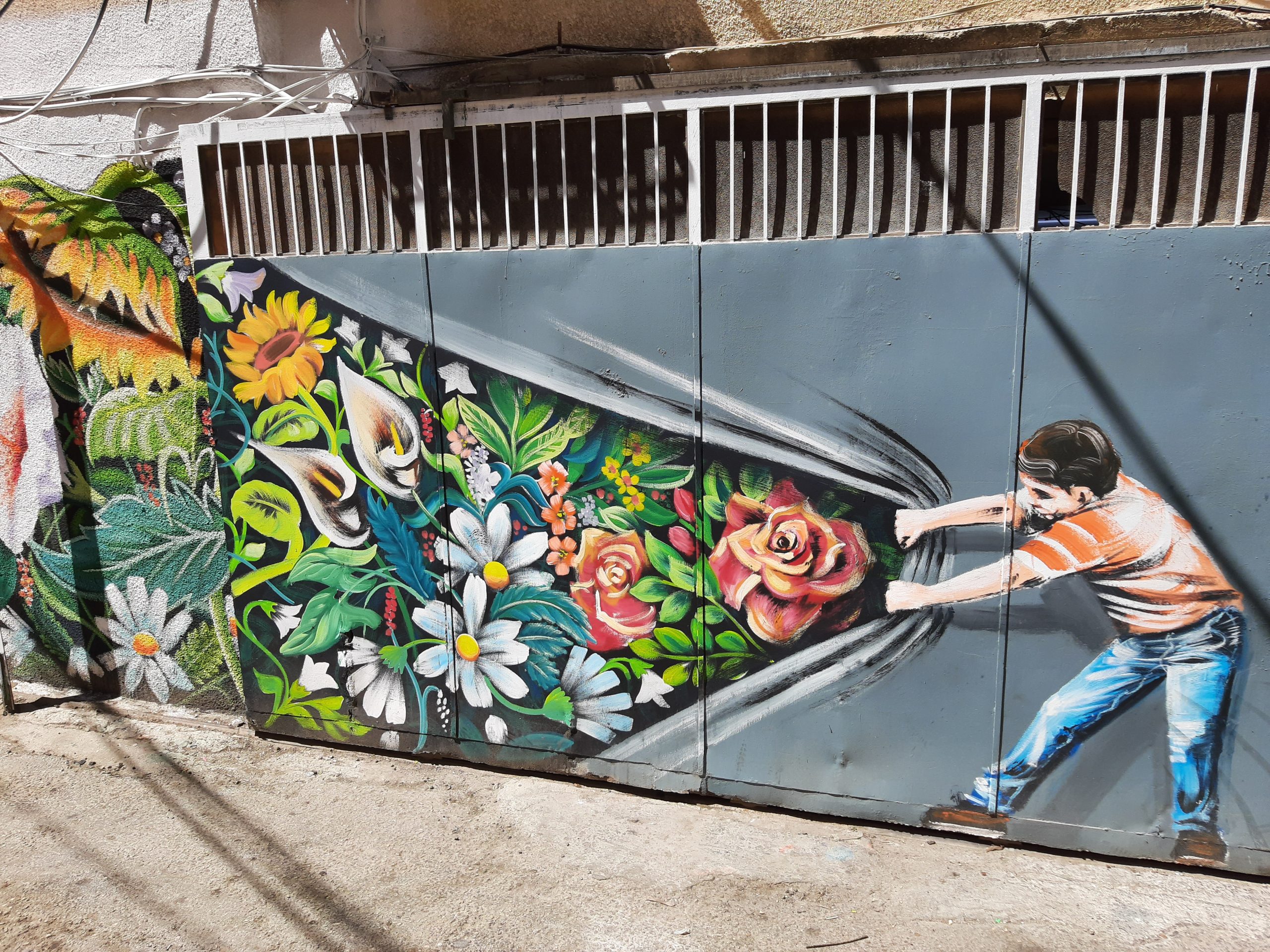
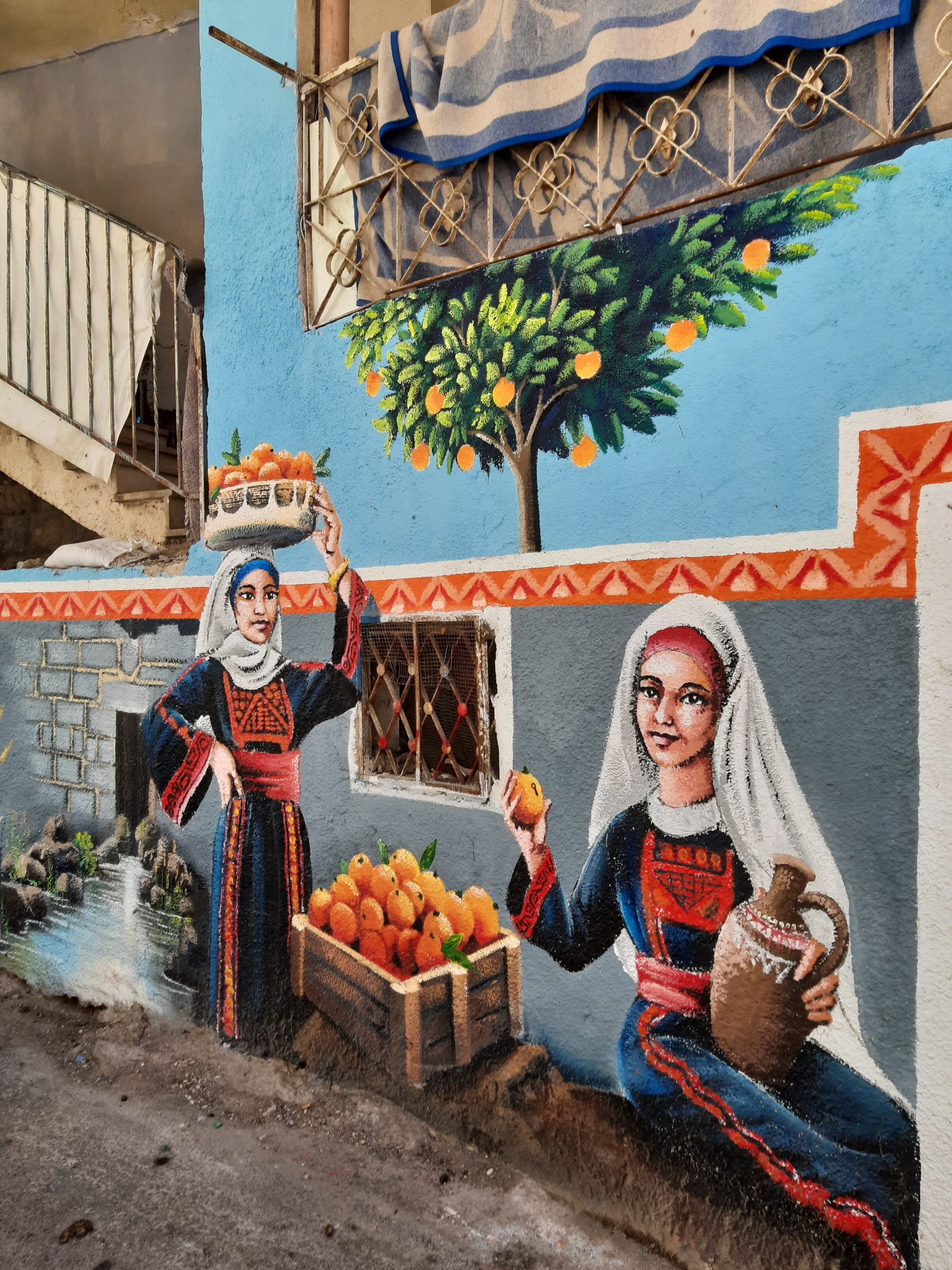
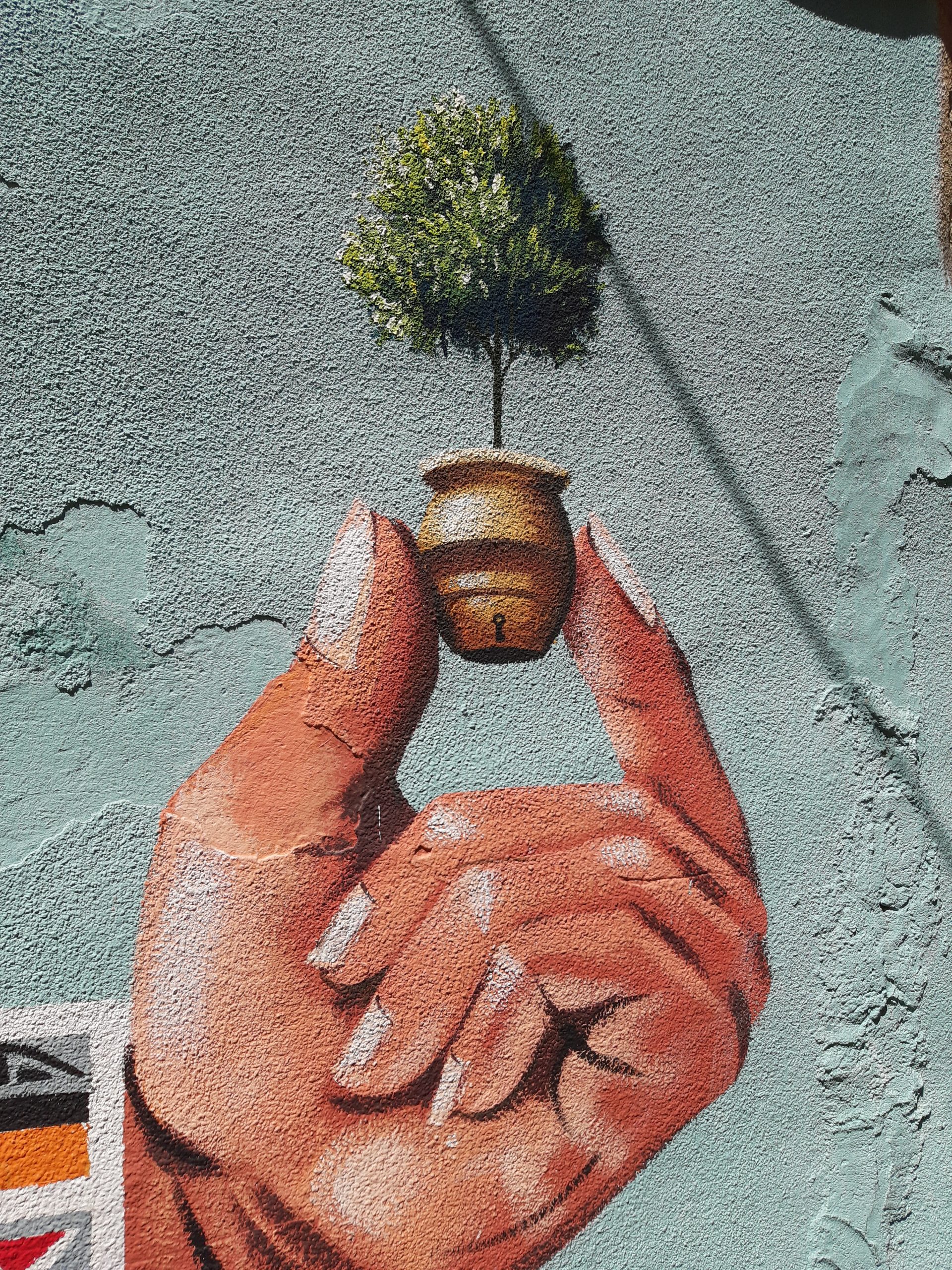
"The police arrived in the morning, sealed off the area, and stormed the house brutally. It felt like they came to kill us, not just demolish our home. My wife, children, and I were forced outside as the bulldozers moved in, destroying everything. They erased our past, our memories, and our future. Can one sleep peacefully after being uprooted from the place that holds their most beautiful memories?"
In pictures
TESTIMONY
Voices from the Frontline — Rohingya Crisis
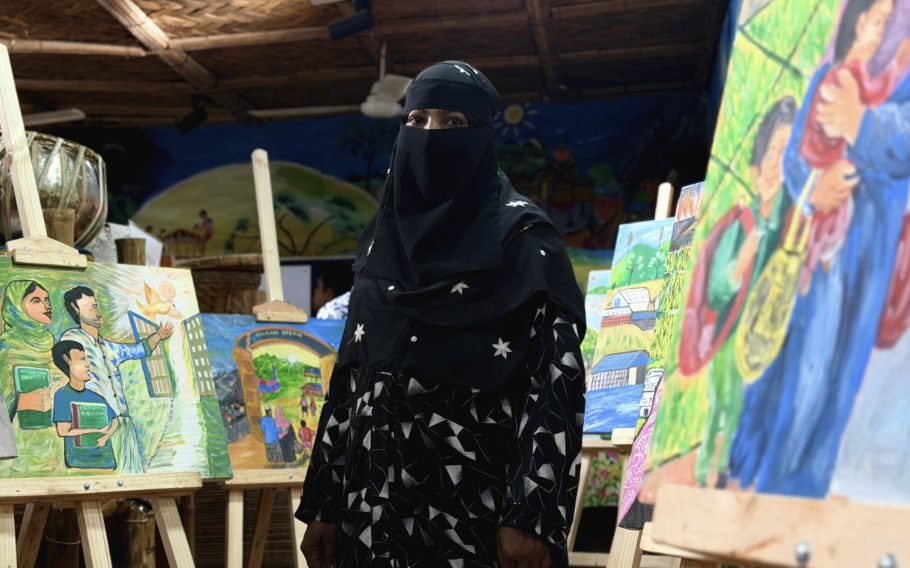
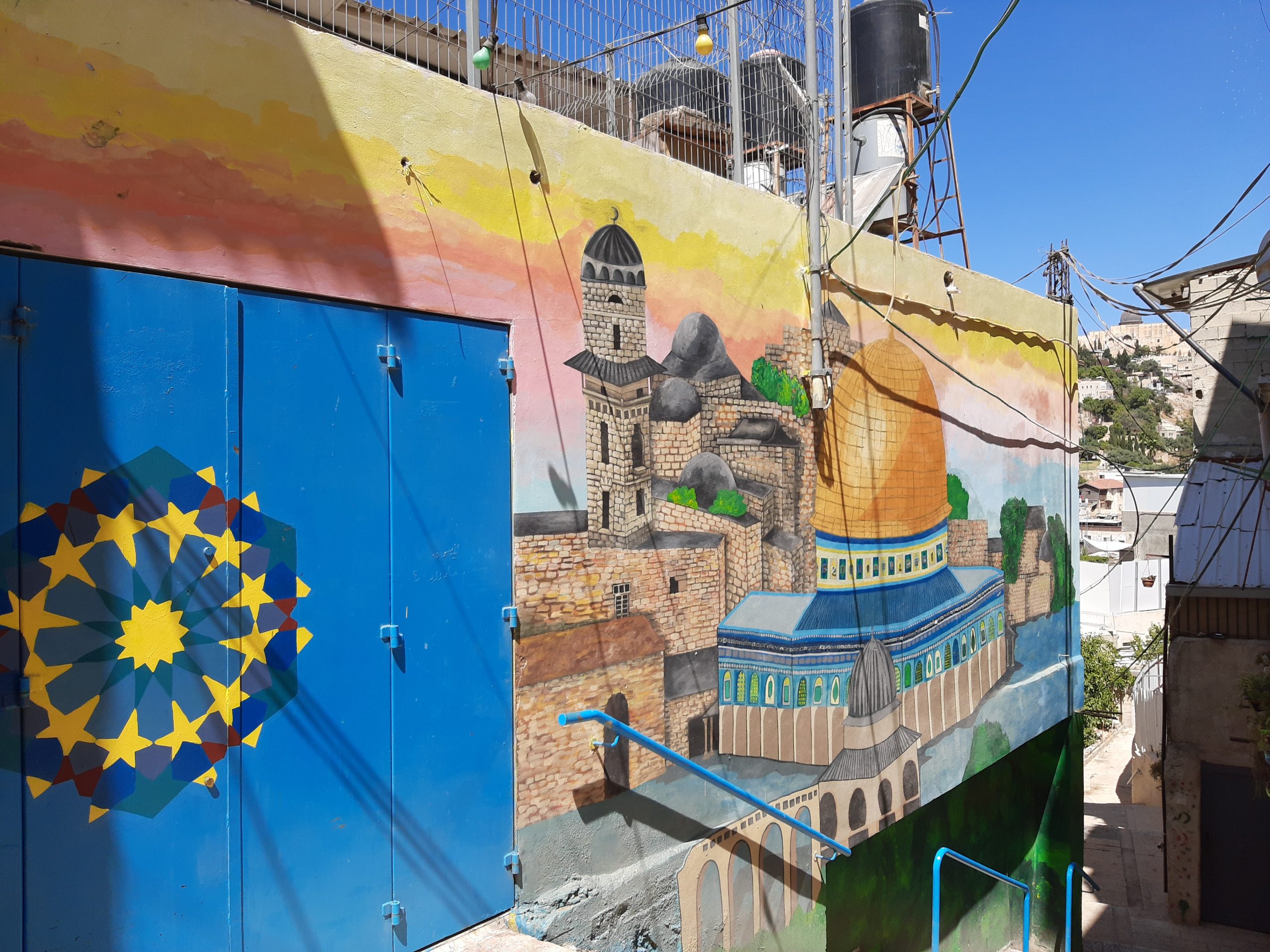
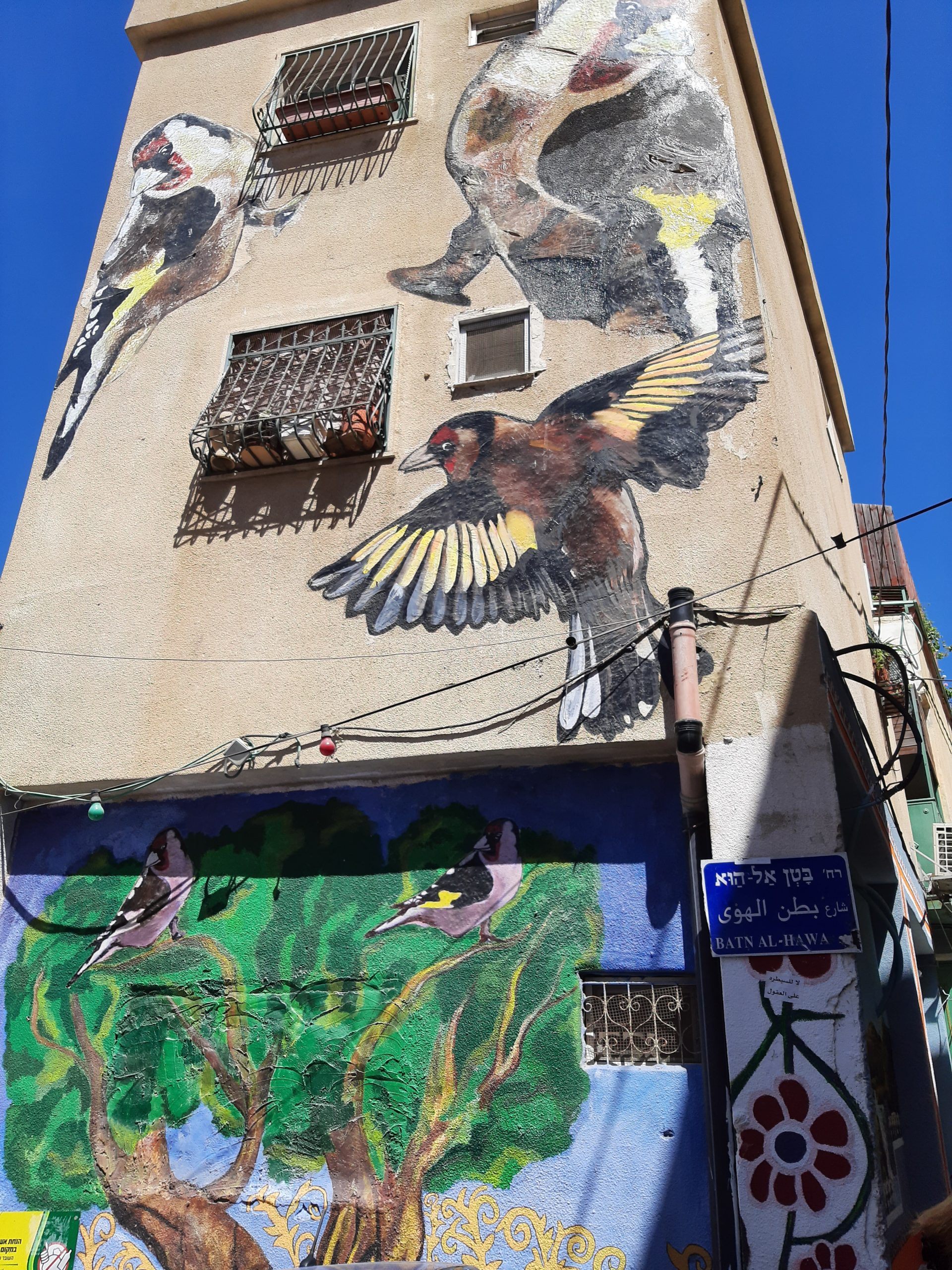
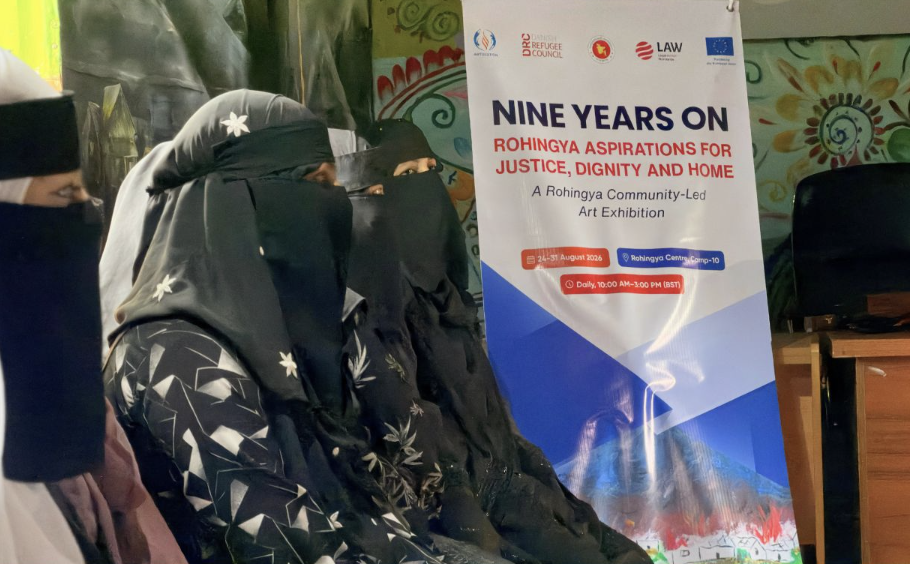
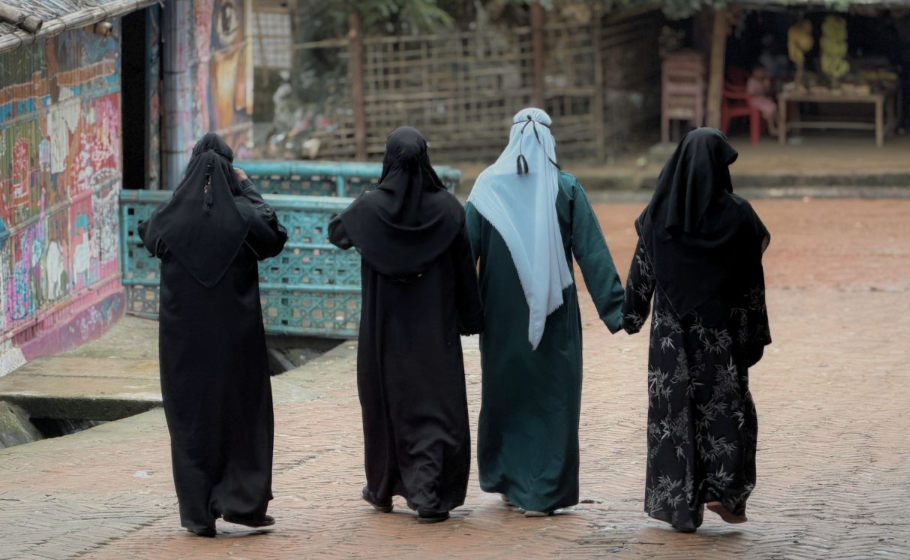
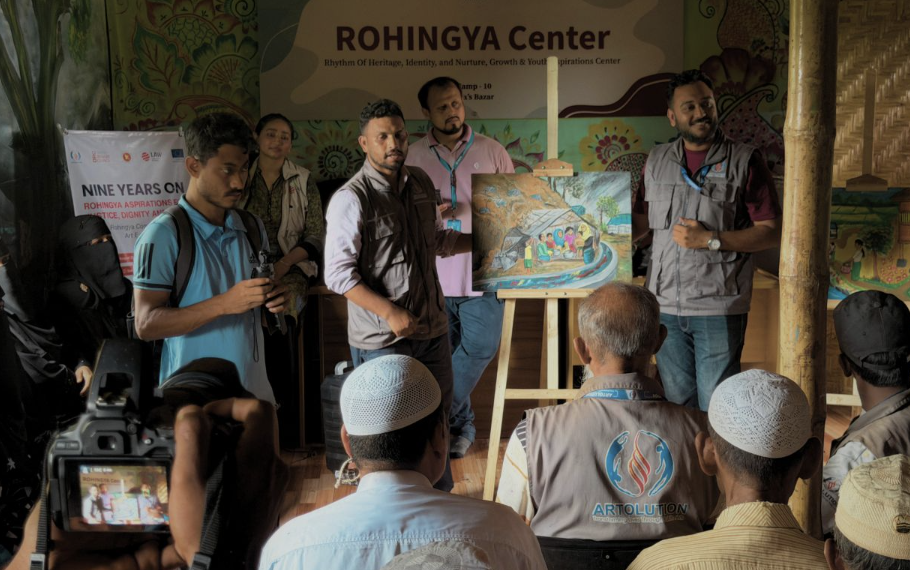
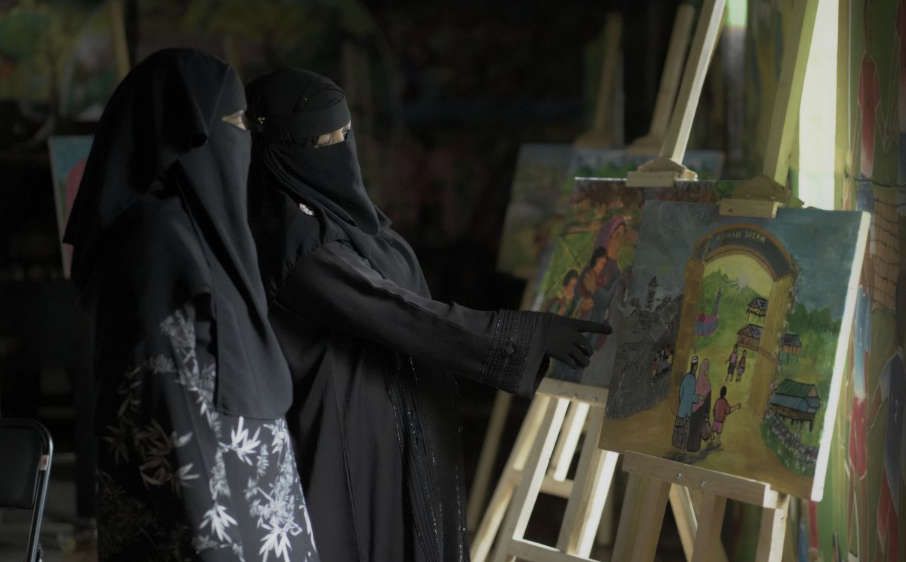
"The exhibition shows how we lived in Myanmar and the memories we continue to carry. Some are painful, but they are part of our history. We want our children to remember where they come from, and we hope for a future where we can return home safely, with dignity and justice."
In pictures
TESTIMONY
Voices from the Frontline — Somalia
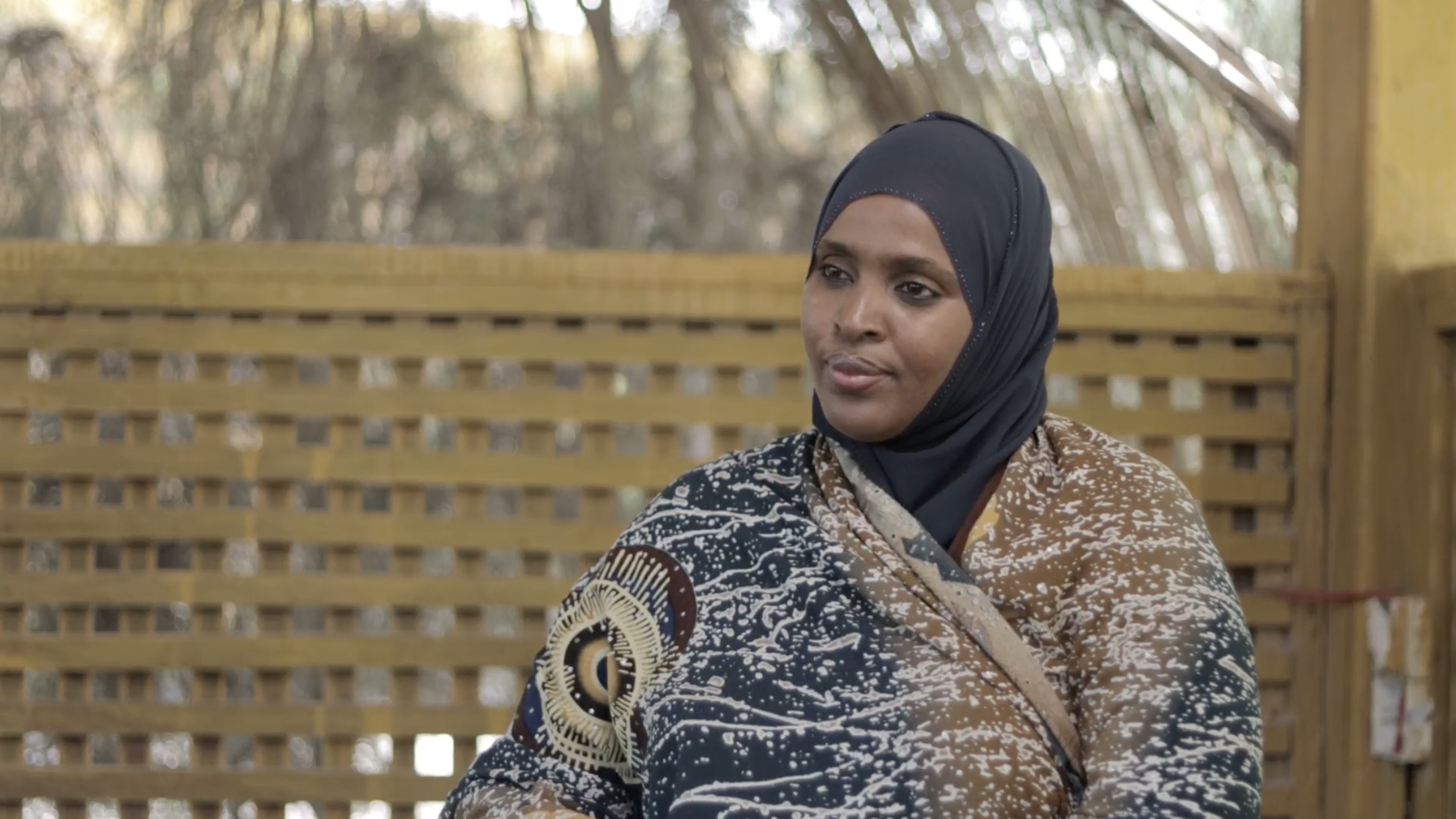
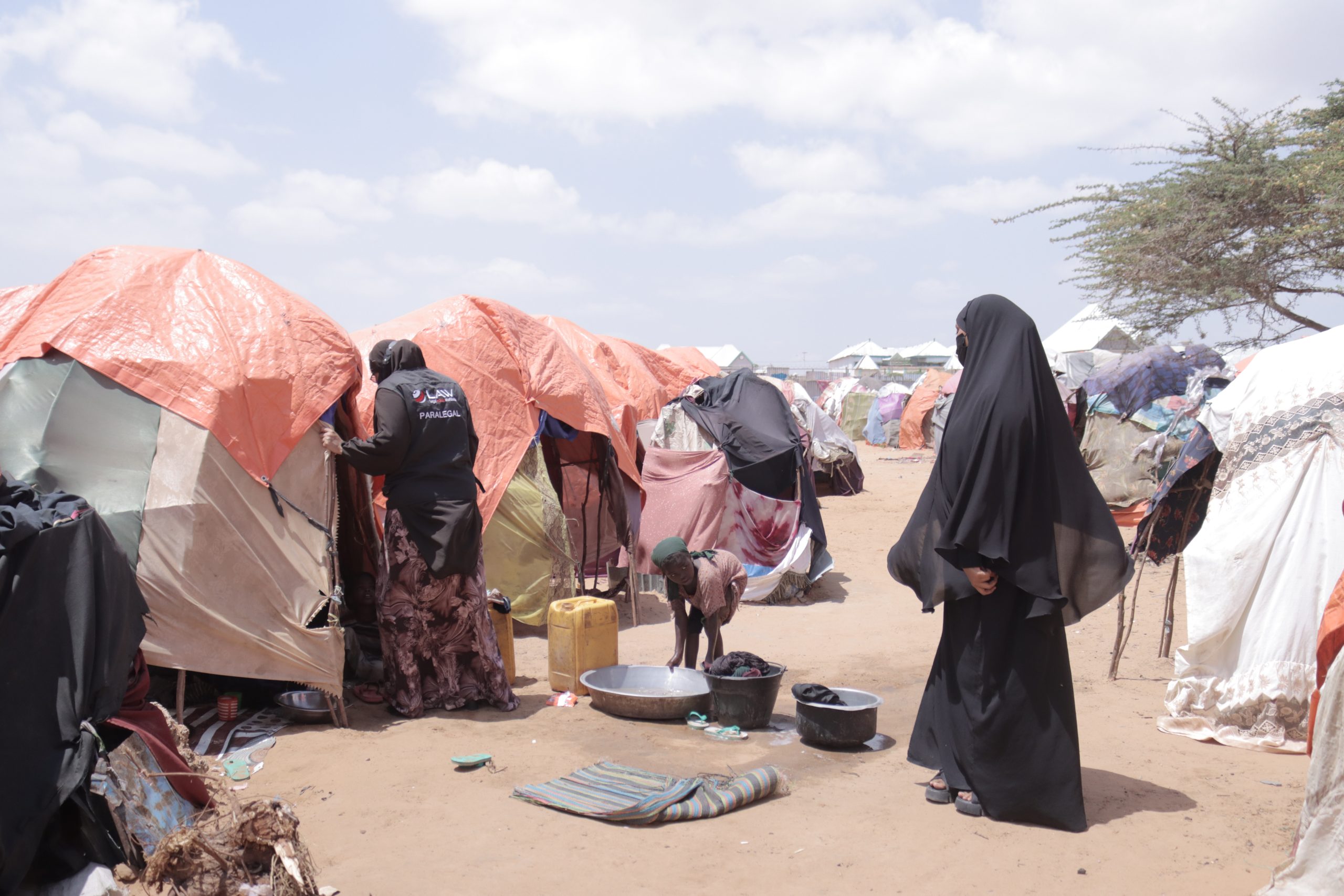
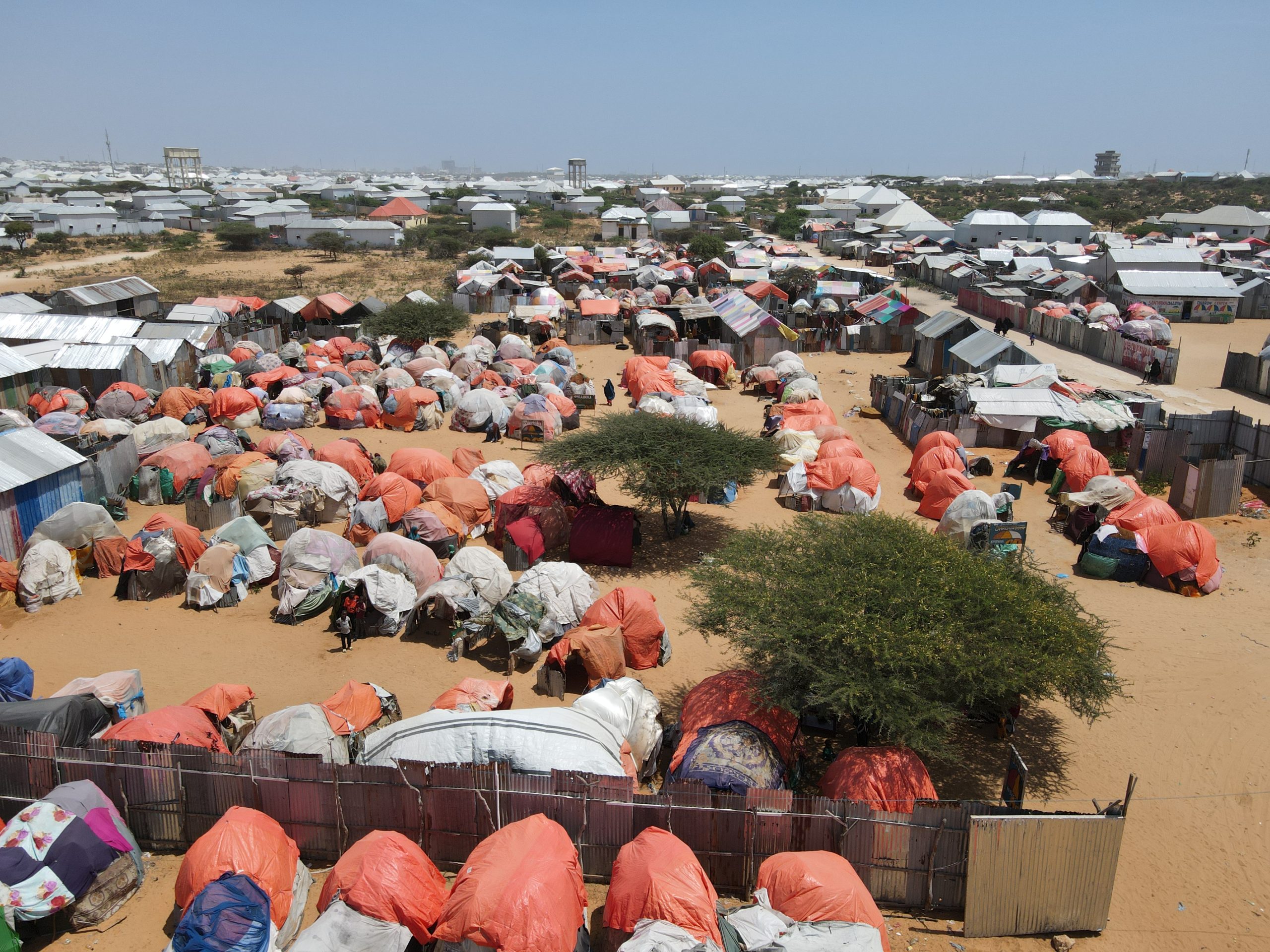
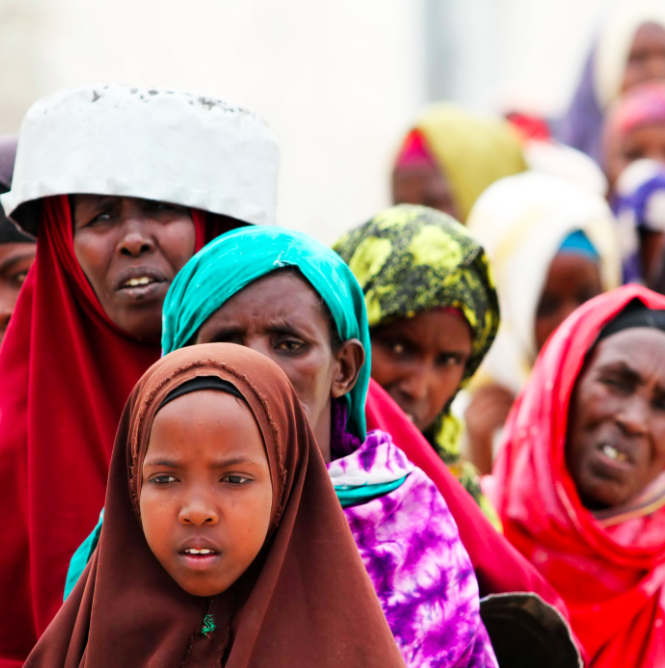
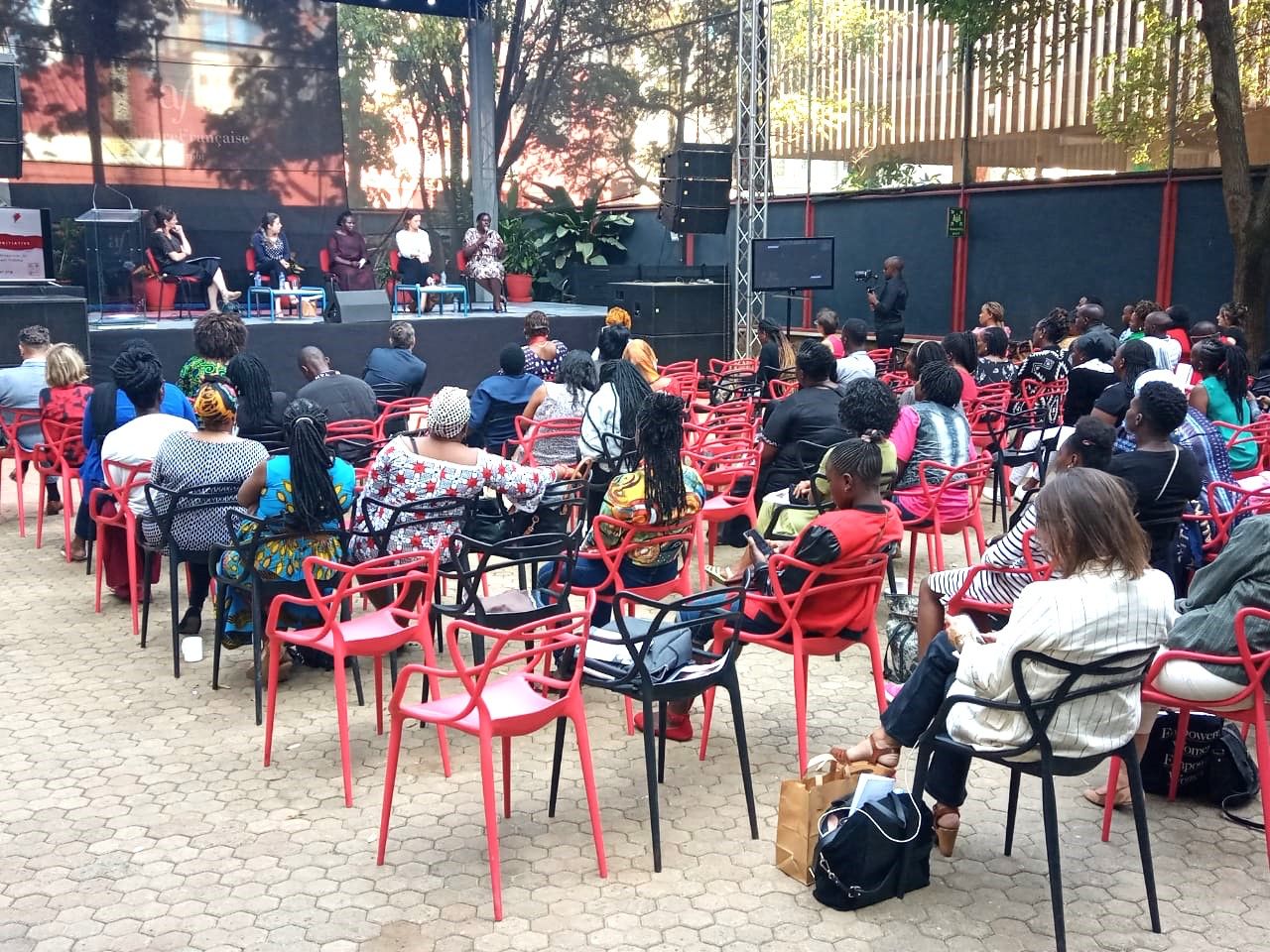
"Working in communities on FGM has been so hard because of the understanding and the knowledge of GBV and the cultural understanding of gender equality people have in Somalia."
In pictures
TESTIMONY
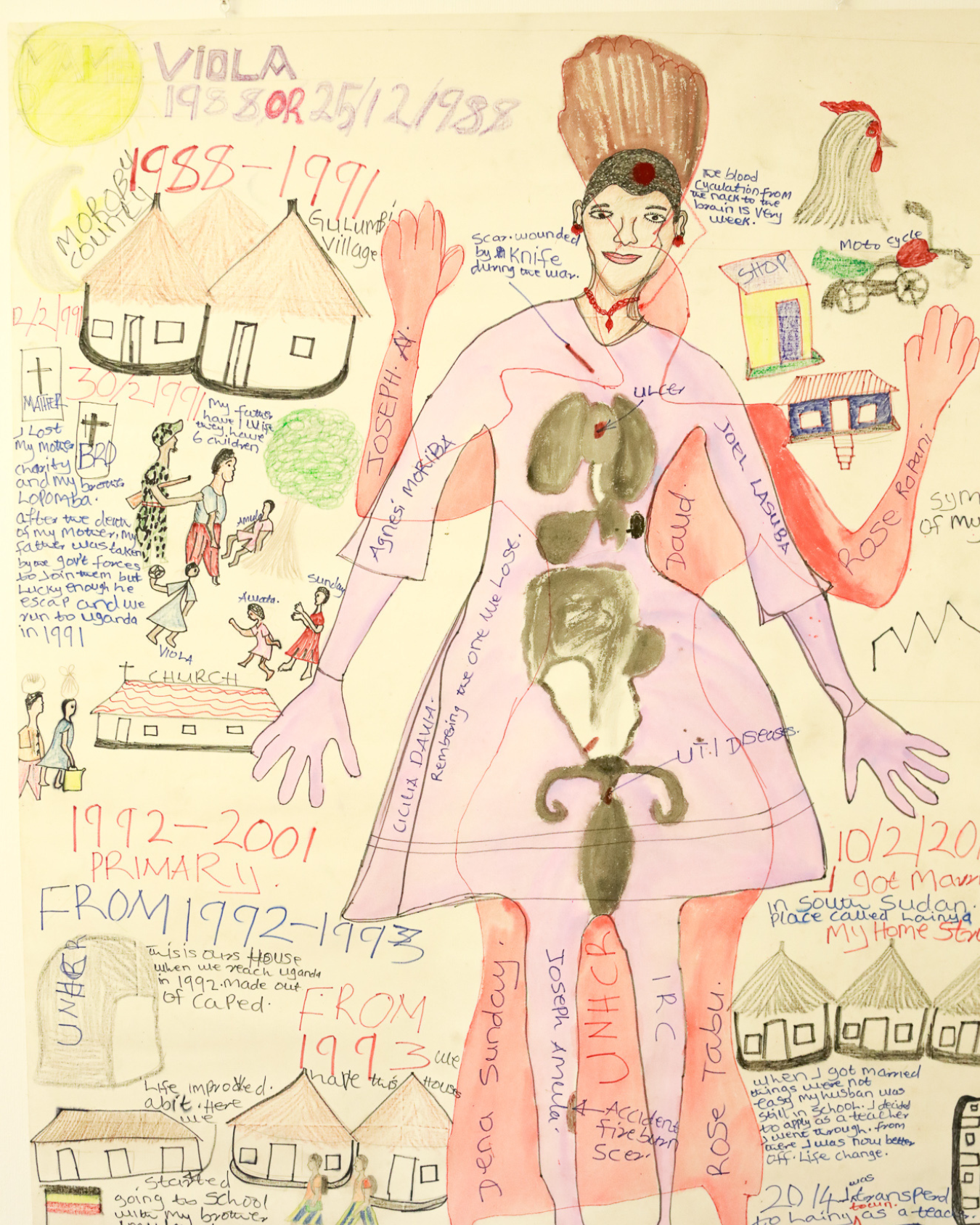
Voices from the Frontline — South Sudan
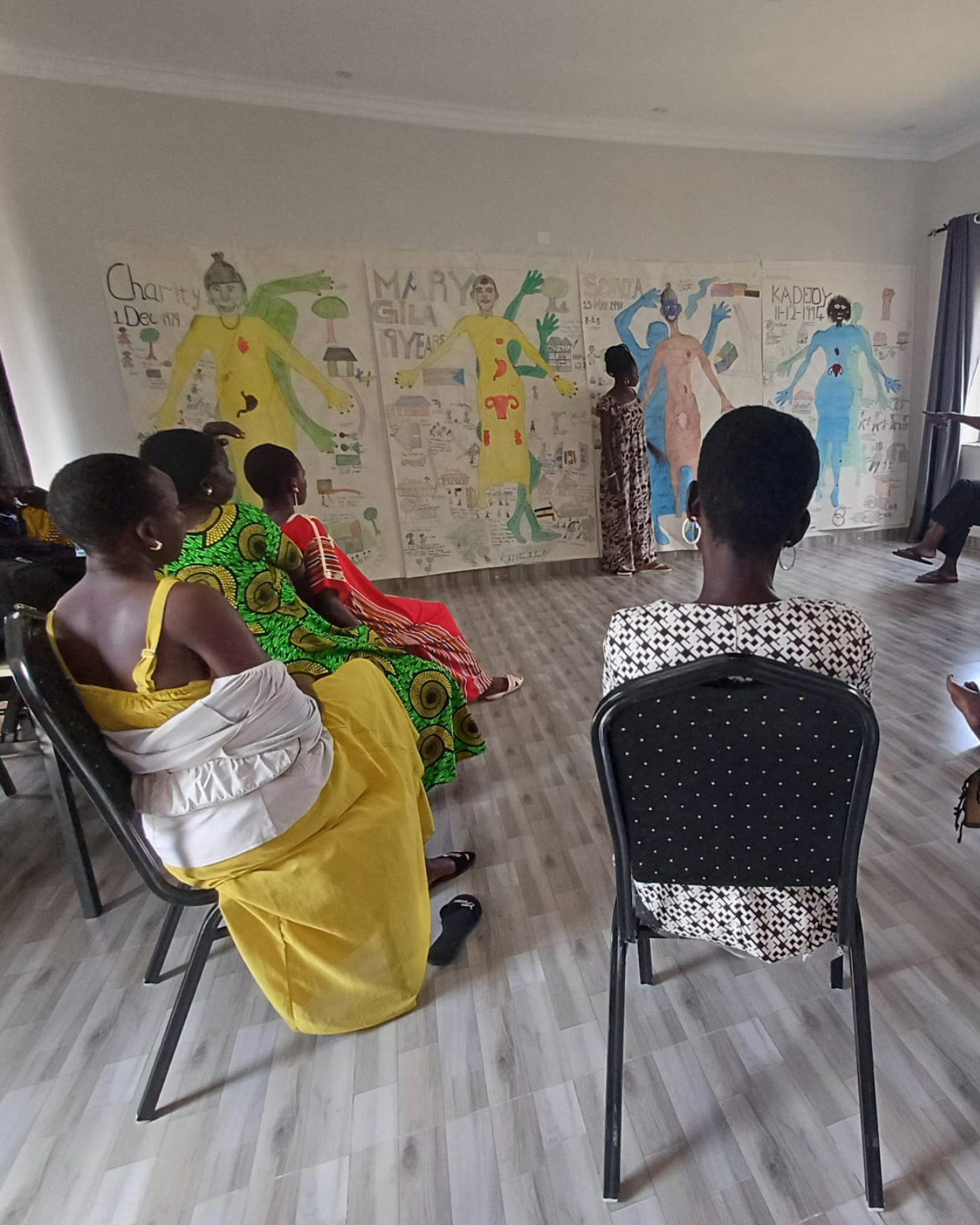
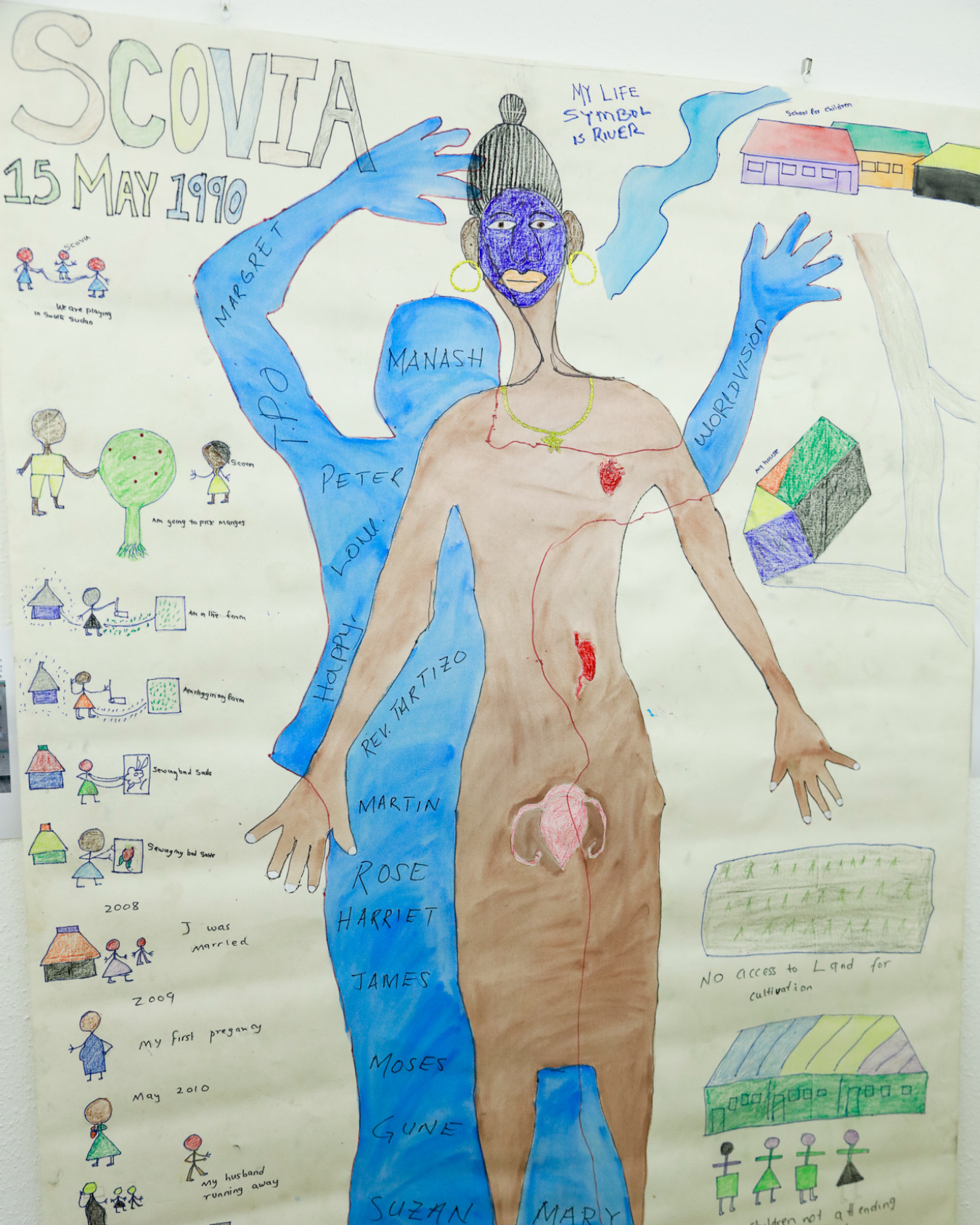
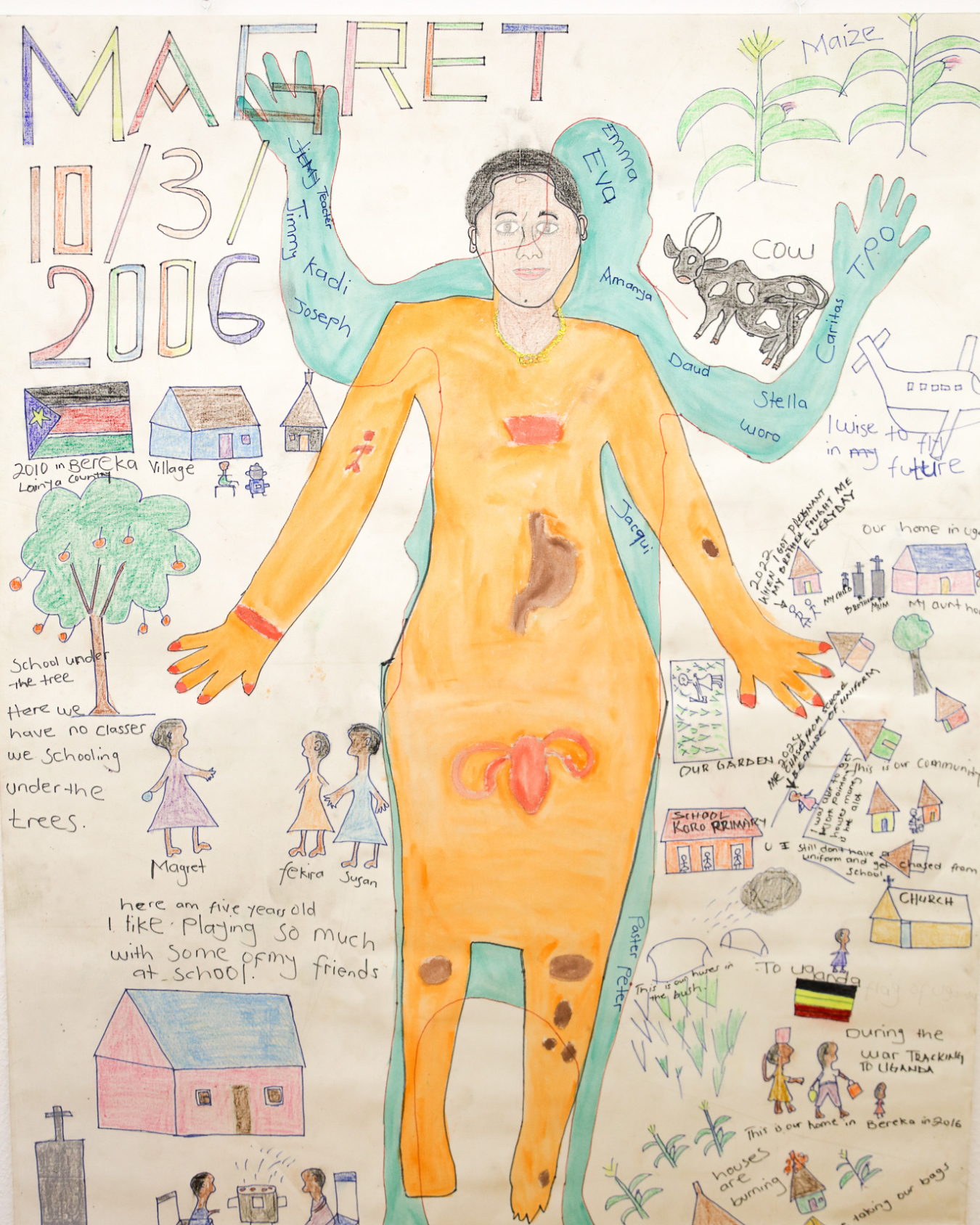
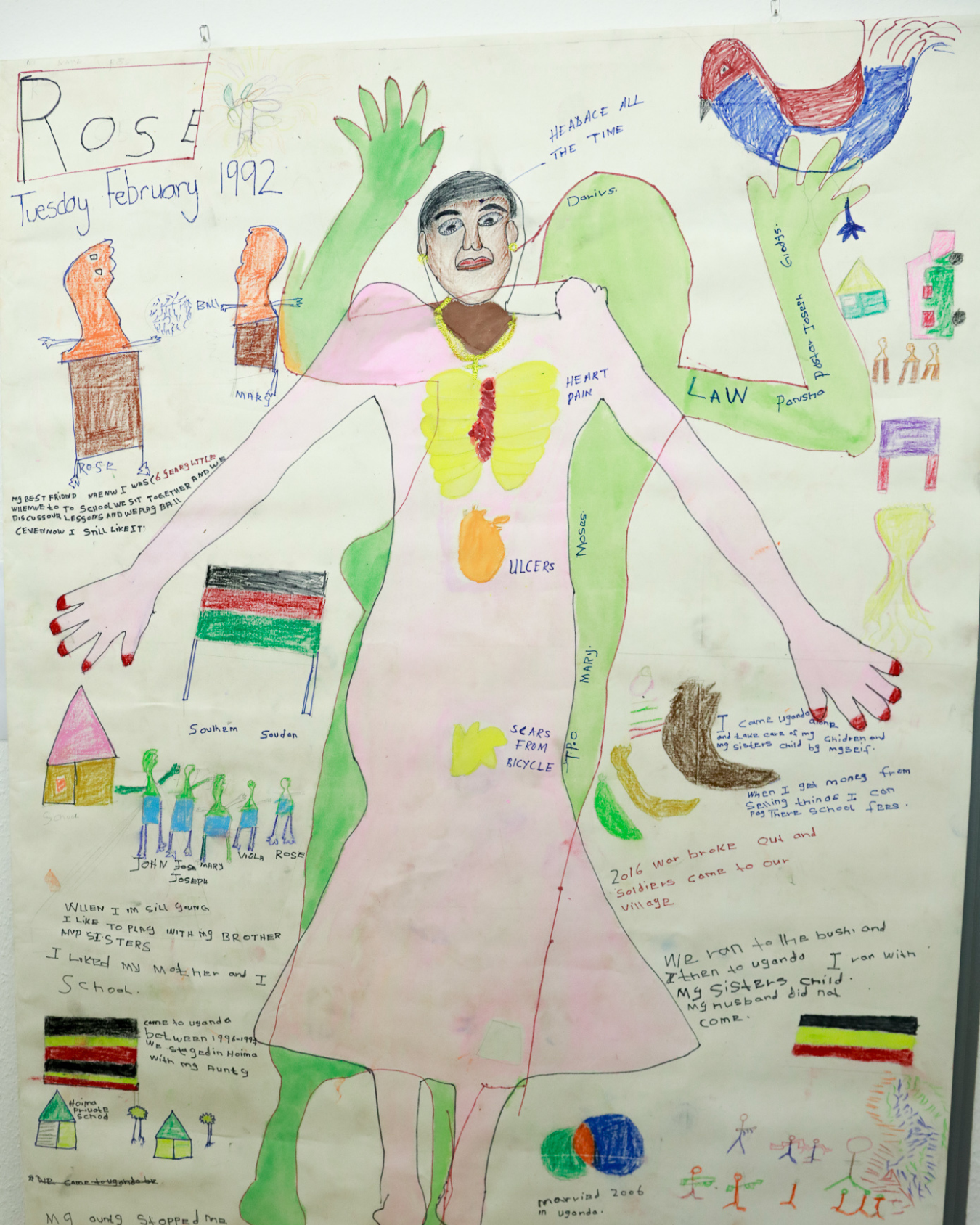
"I got married in 2006, and we came back to South Sudan with my husband. I had my first child there in 2007. But then the war broke out again in 2016 and the soldiers started shooting. They were everywhere in the village. I had to run to the bush with my children and my sister’s children."
In pictures
TESTIMONY
Voices from the Frontline — Sri Lanka
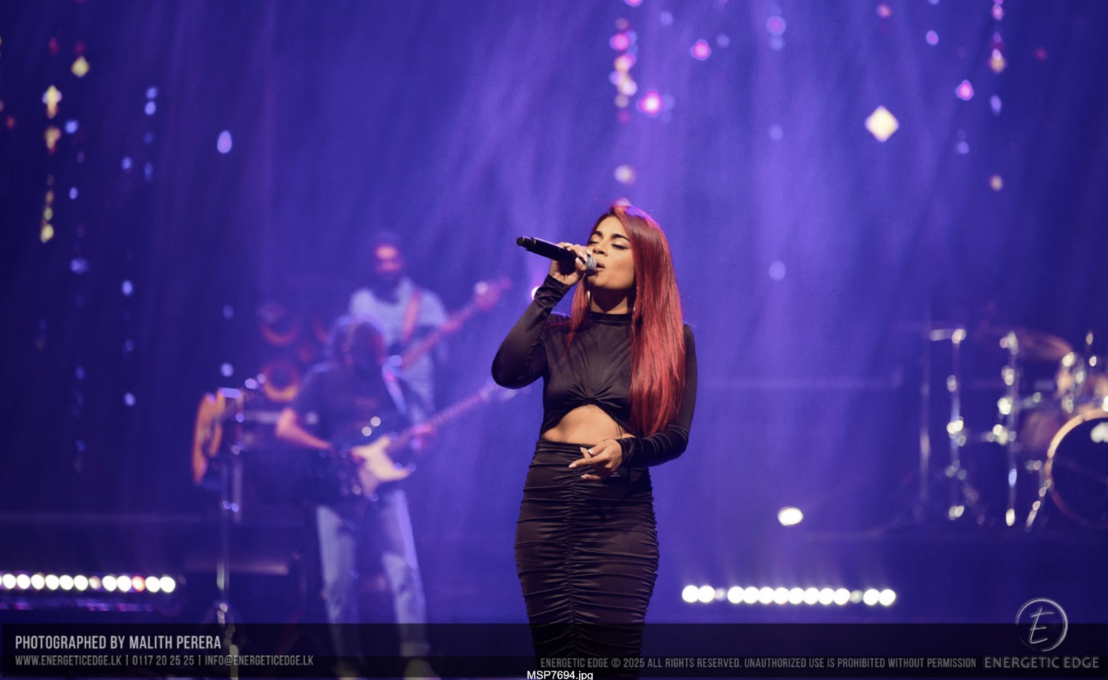
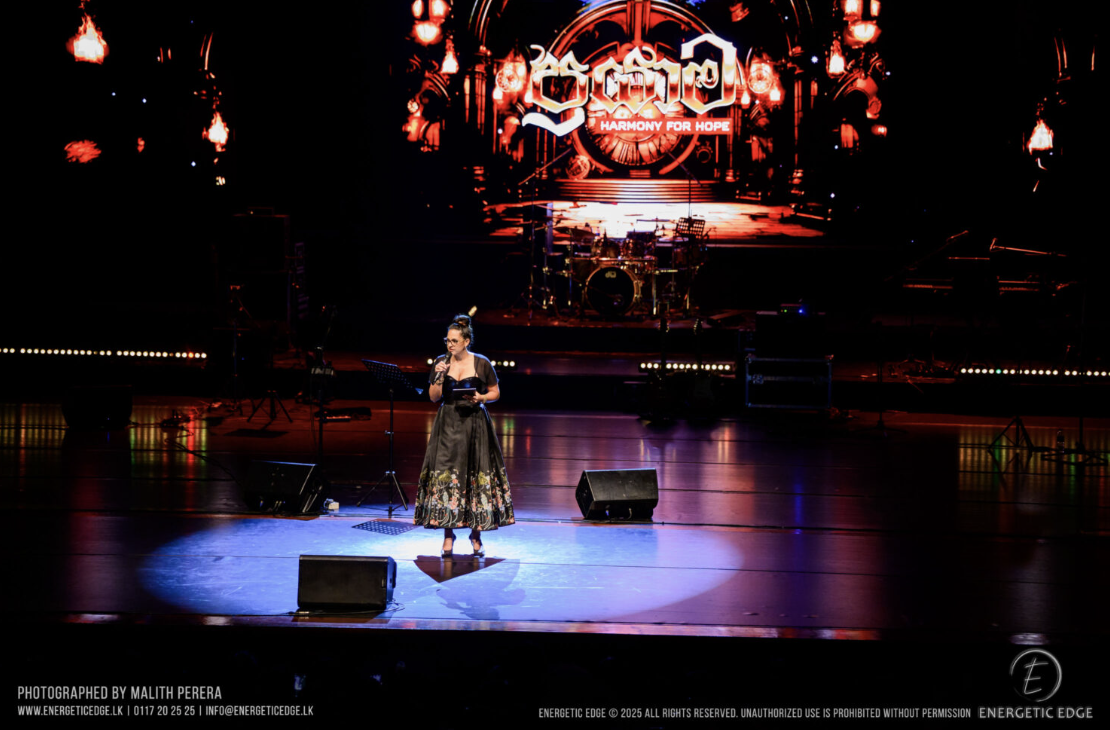
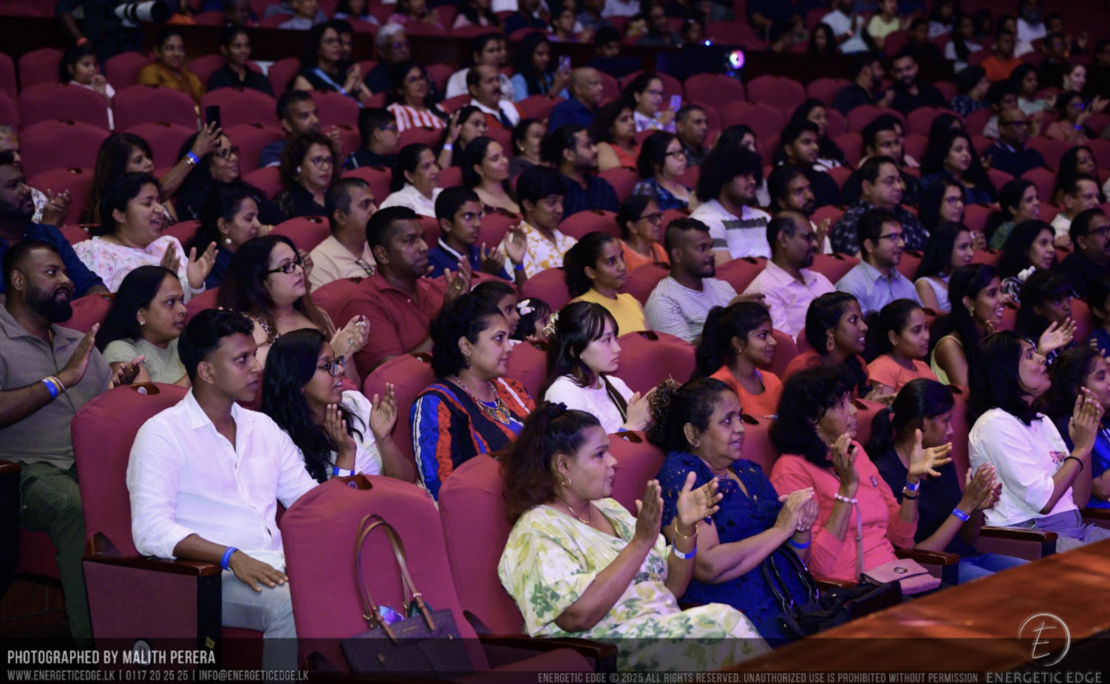
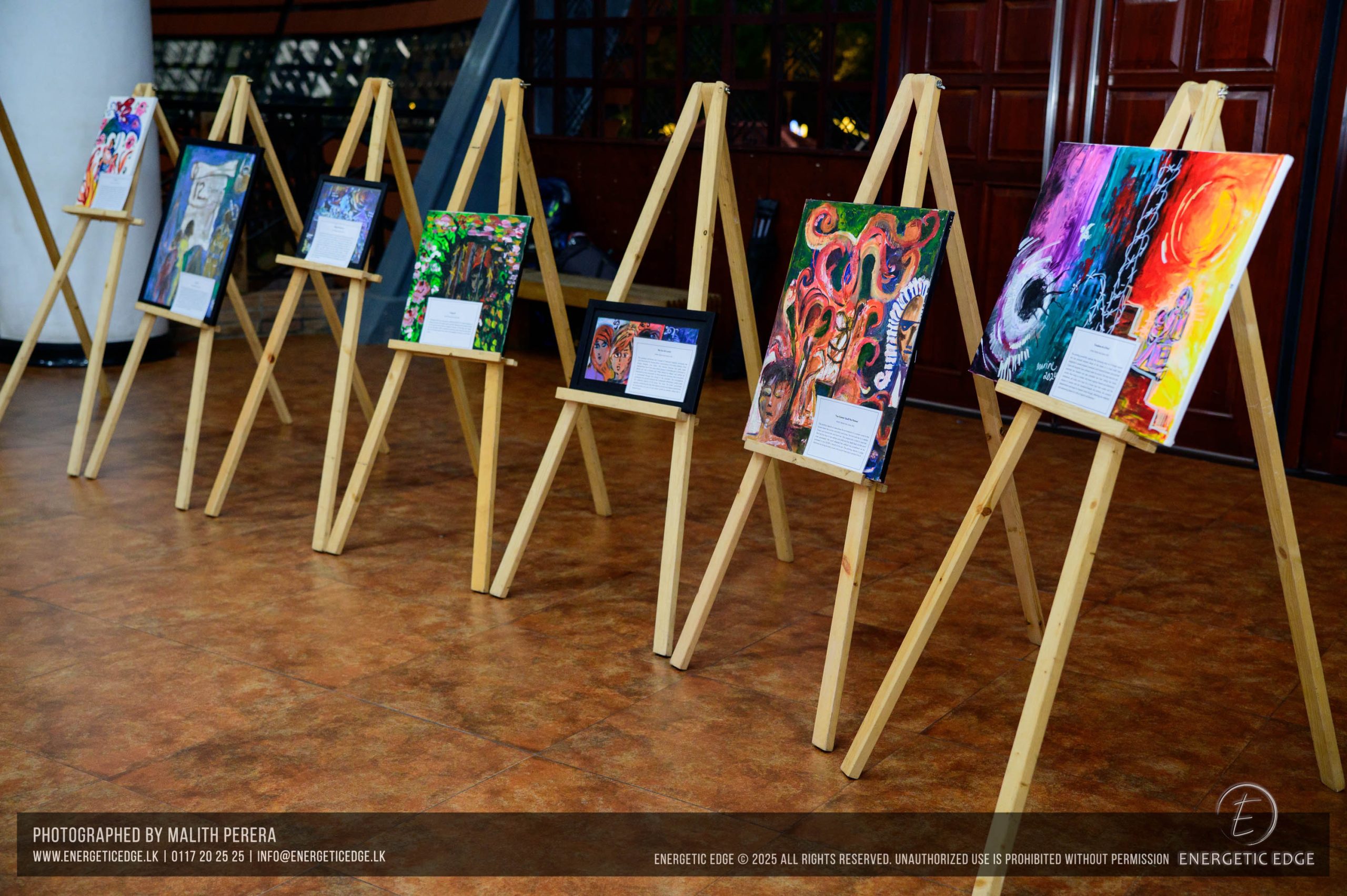
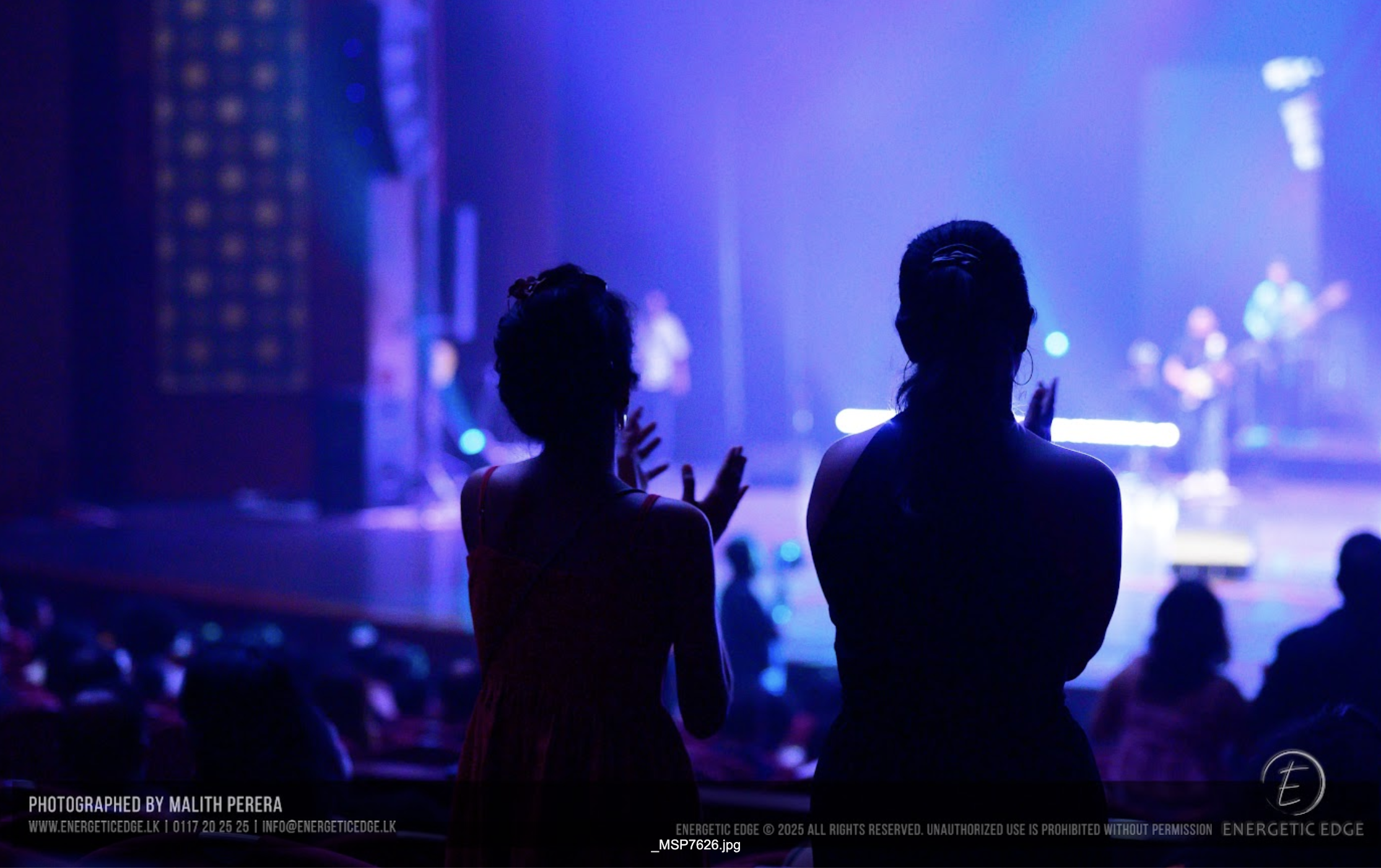
"Prayaama, A concert to raise awareness "
In pictures
TESTIMONY
Voices from the Frontline — Sudan
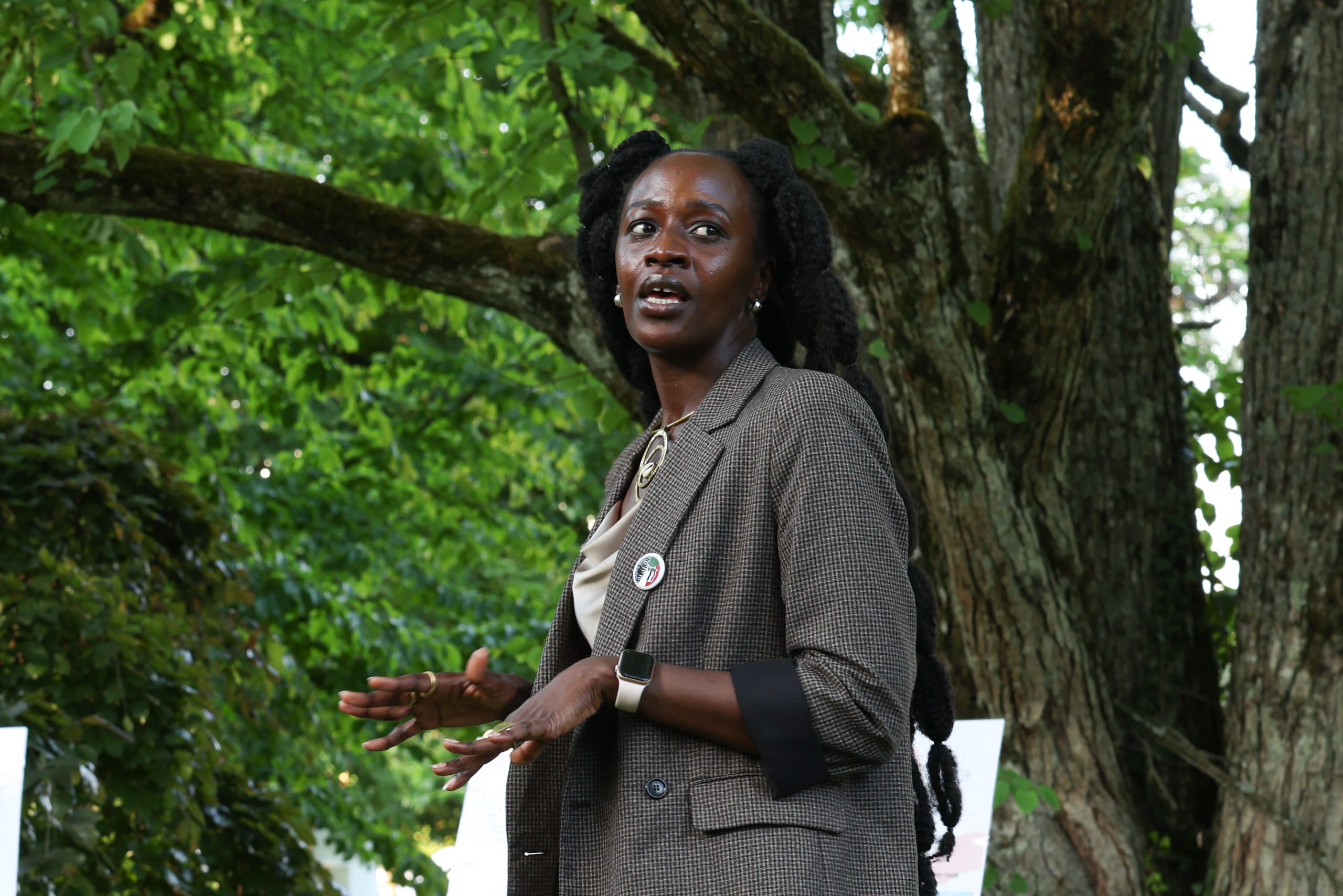
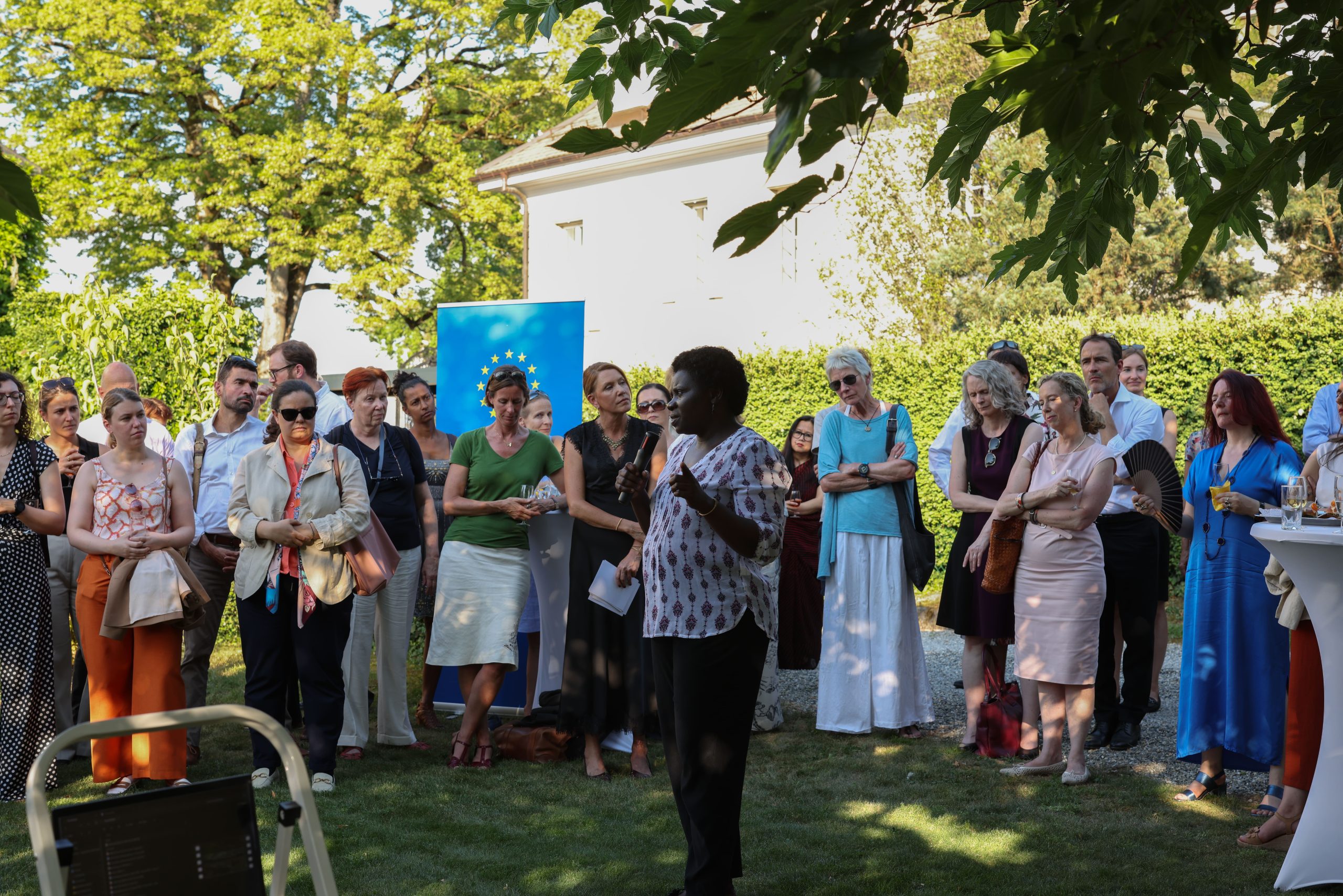
"The war is still ongoing, but it's a single story, and there are so many stories about Sudan."
In pictures
TESTIMONY
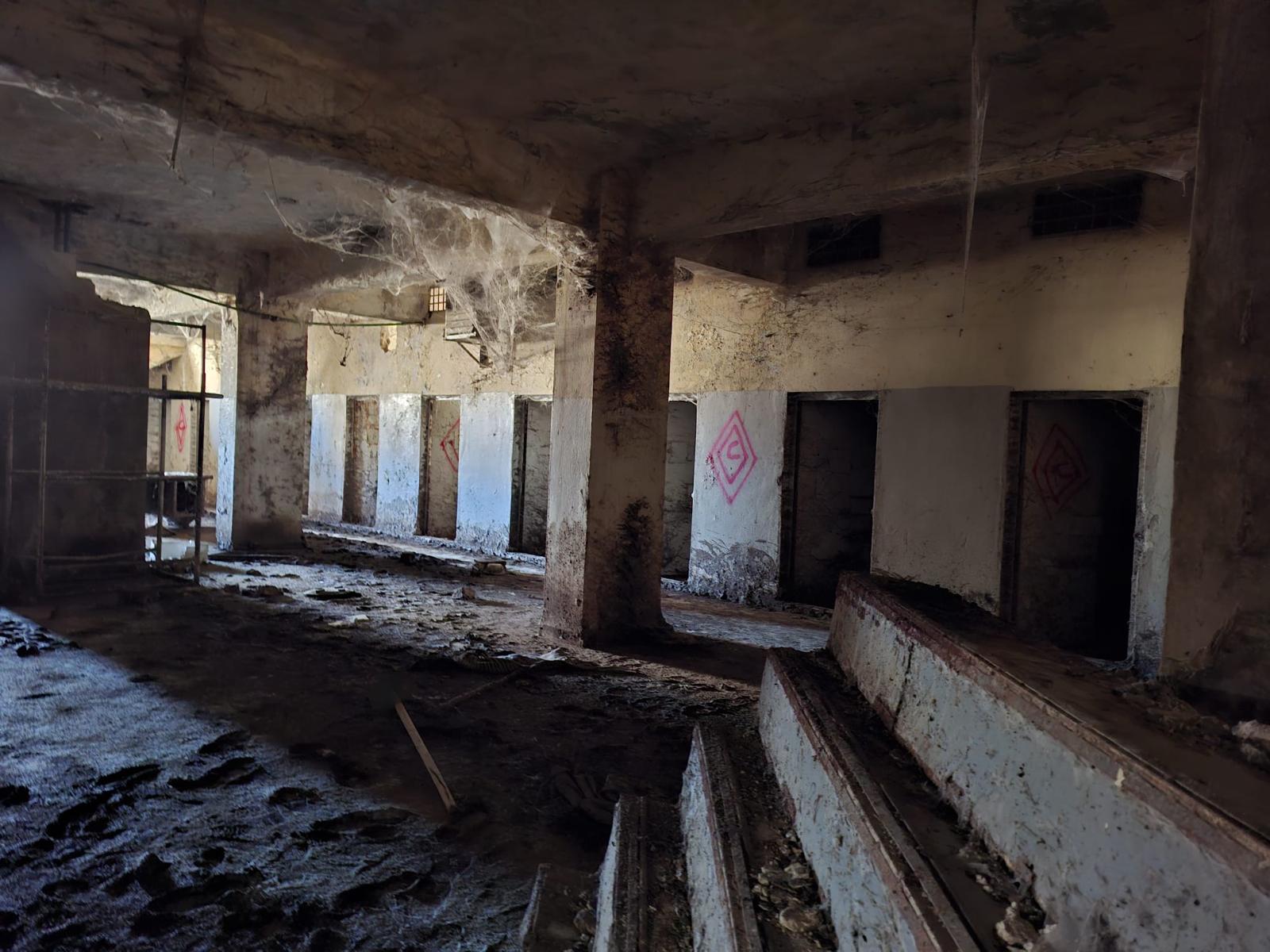
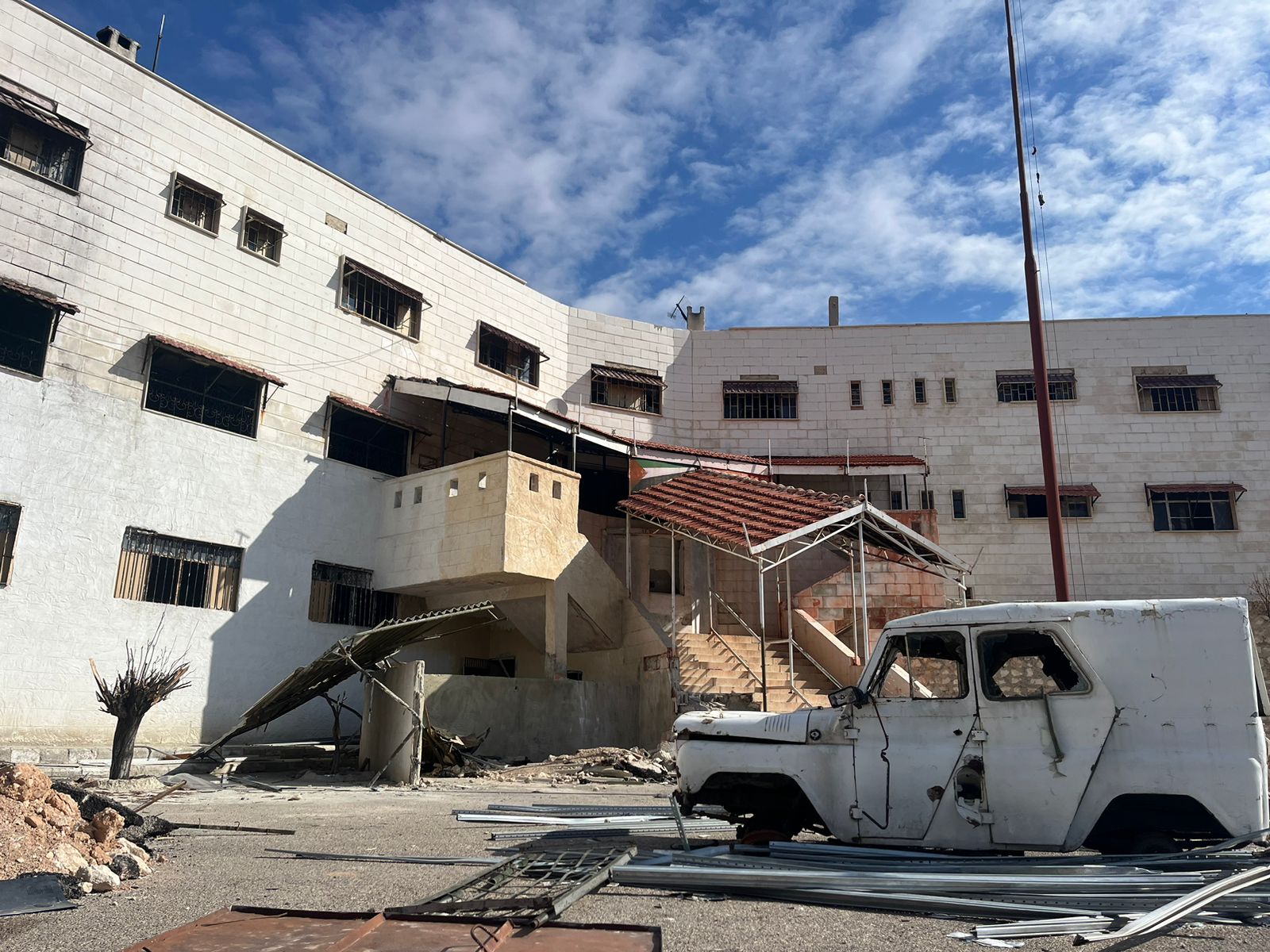
Voices from the Frontline — Syria
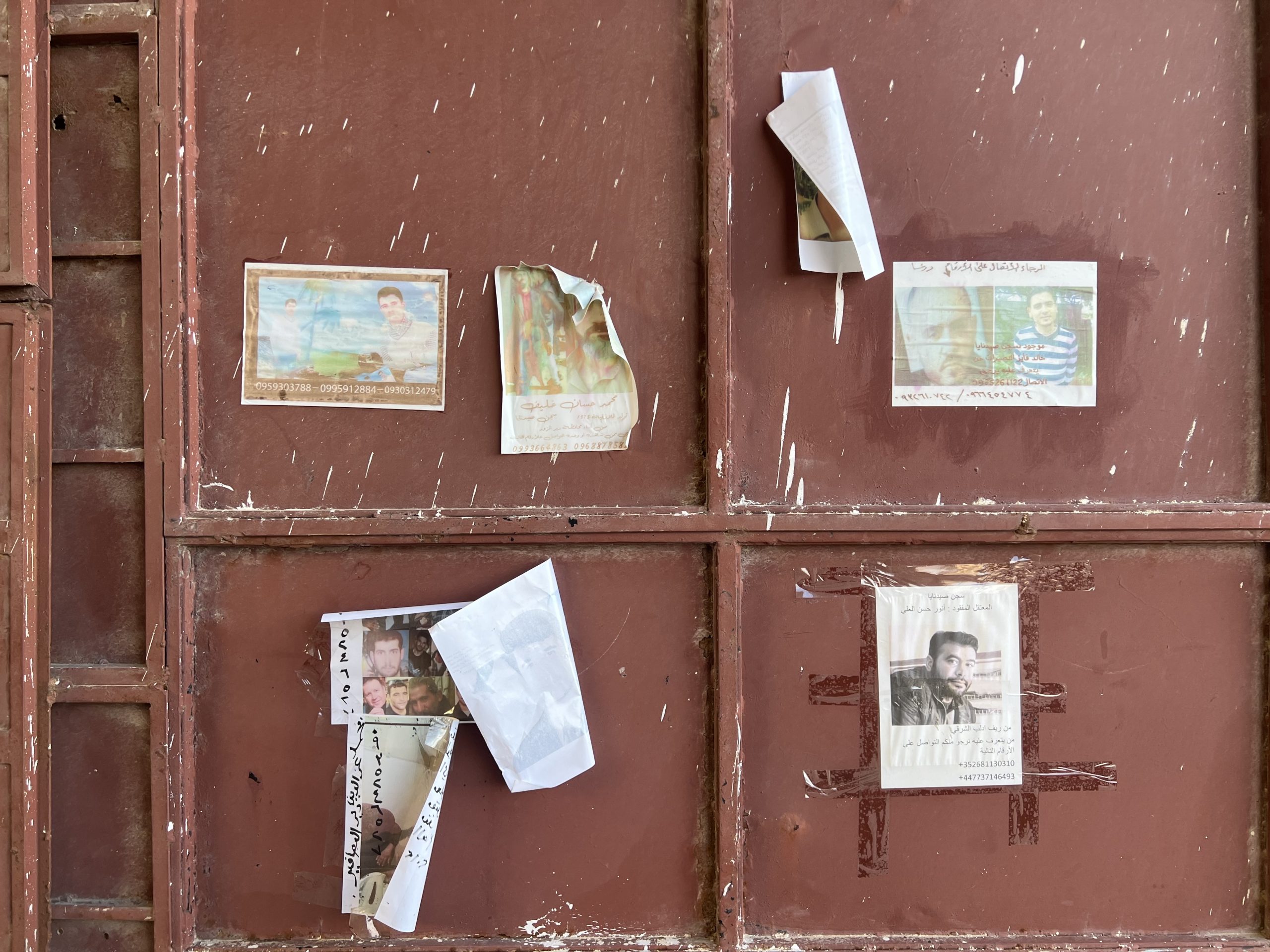
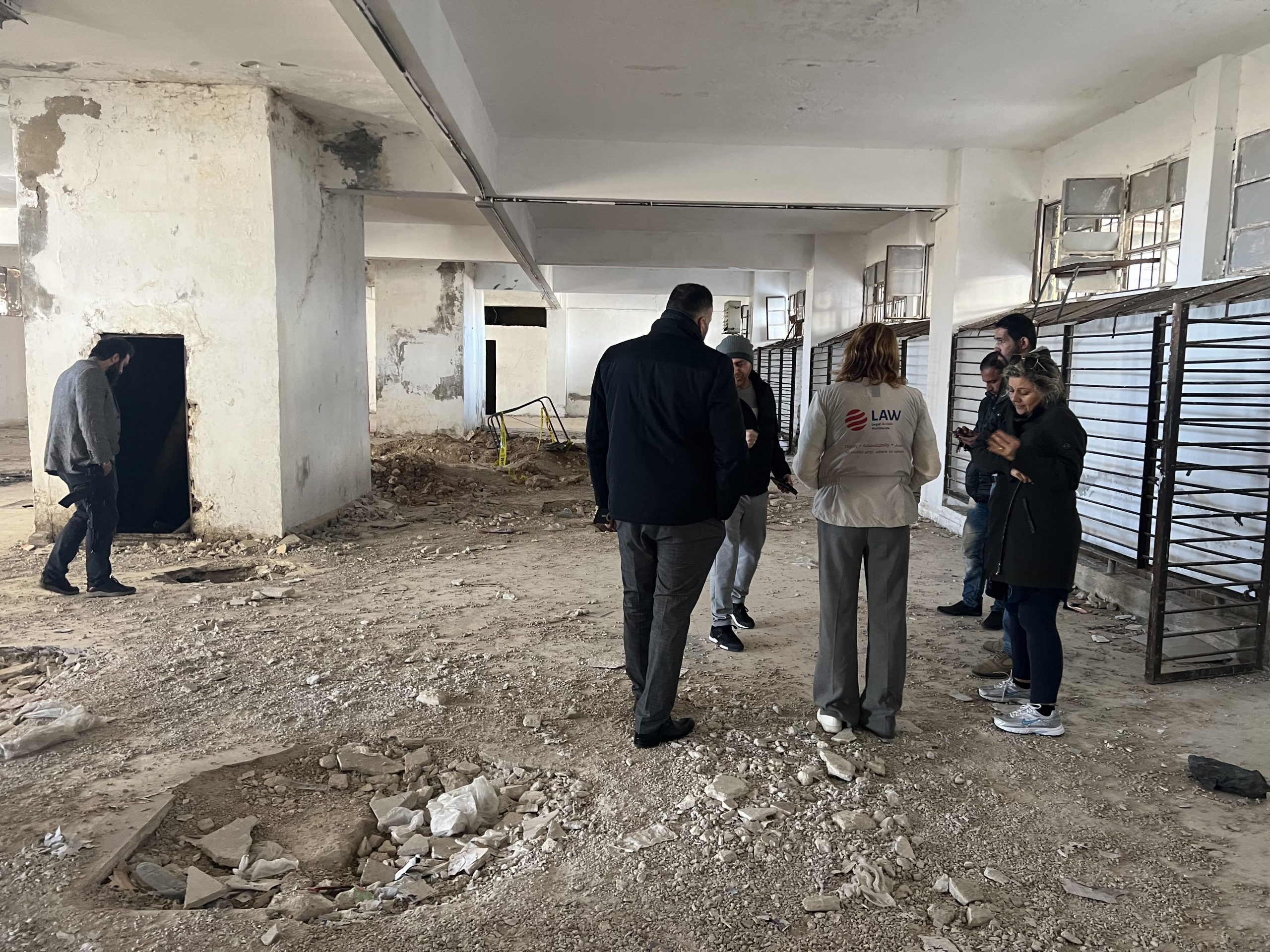
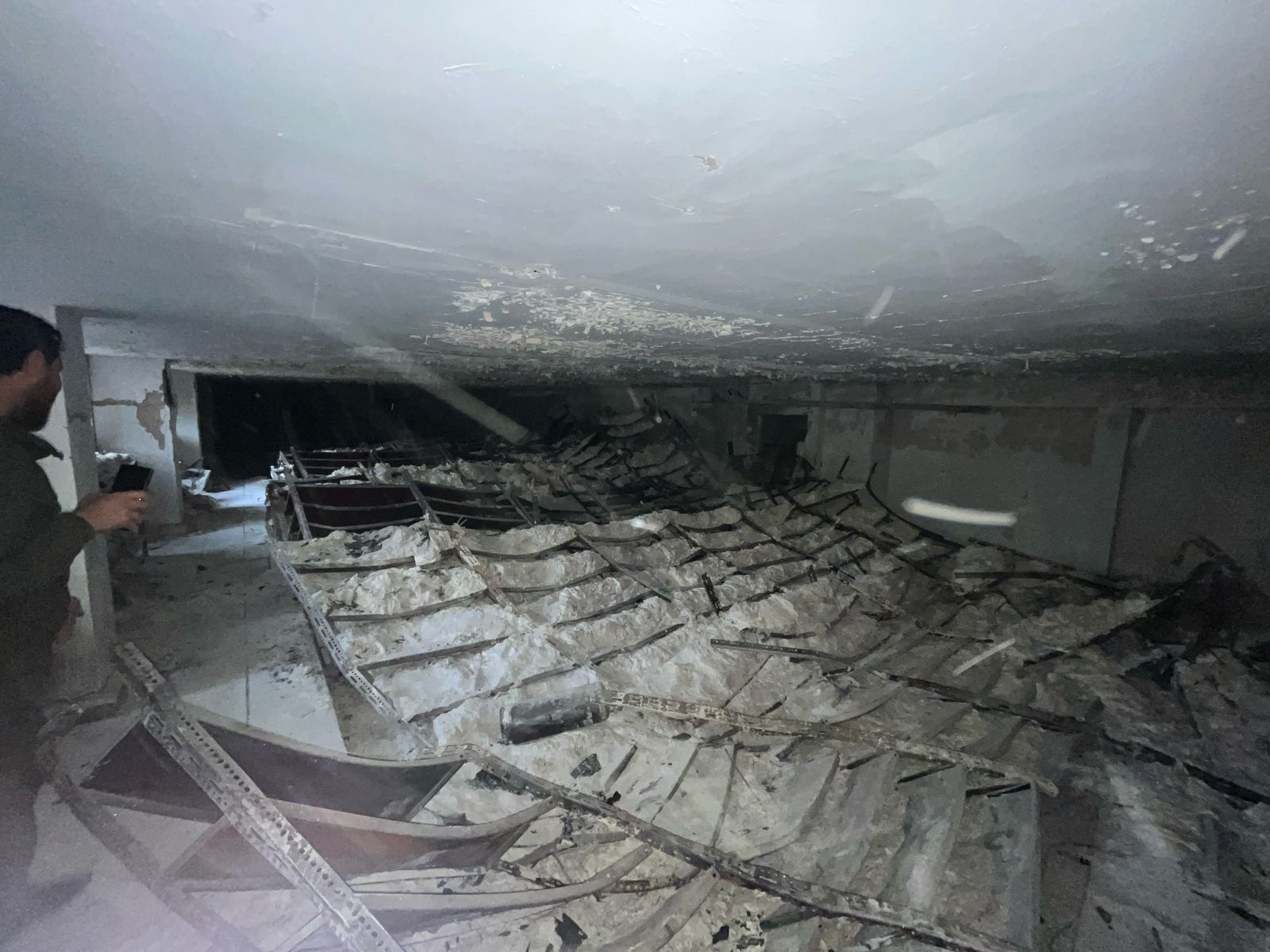
"After 11 months in Sednaya prison, my wife visited me for the first time for two minutes. I told her that I will be taking her on a date every Friday after the noon prayer. I promised her that I will look through that small window of the door cell and I will be speaking with her and checking on her. I kept that promise until the day I was released."
In pictures
TESTIMONY
Voices from the Frontline — Ukraine

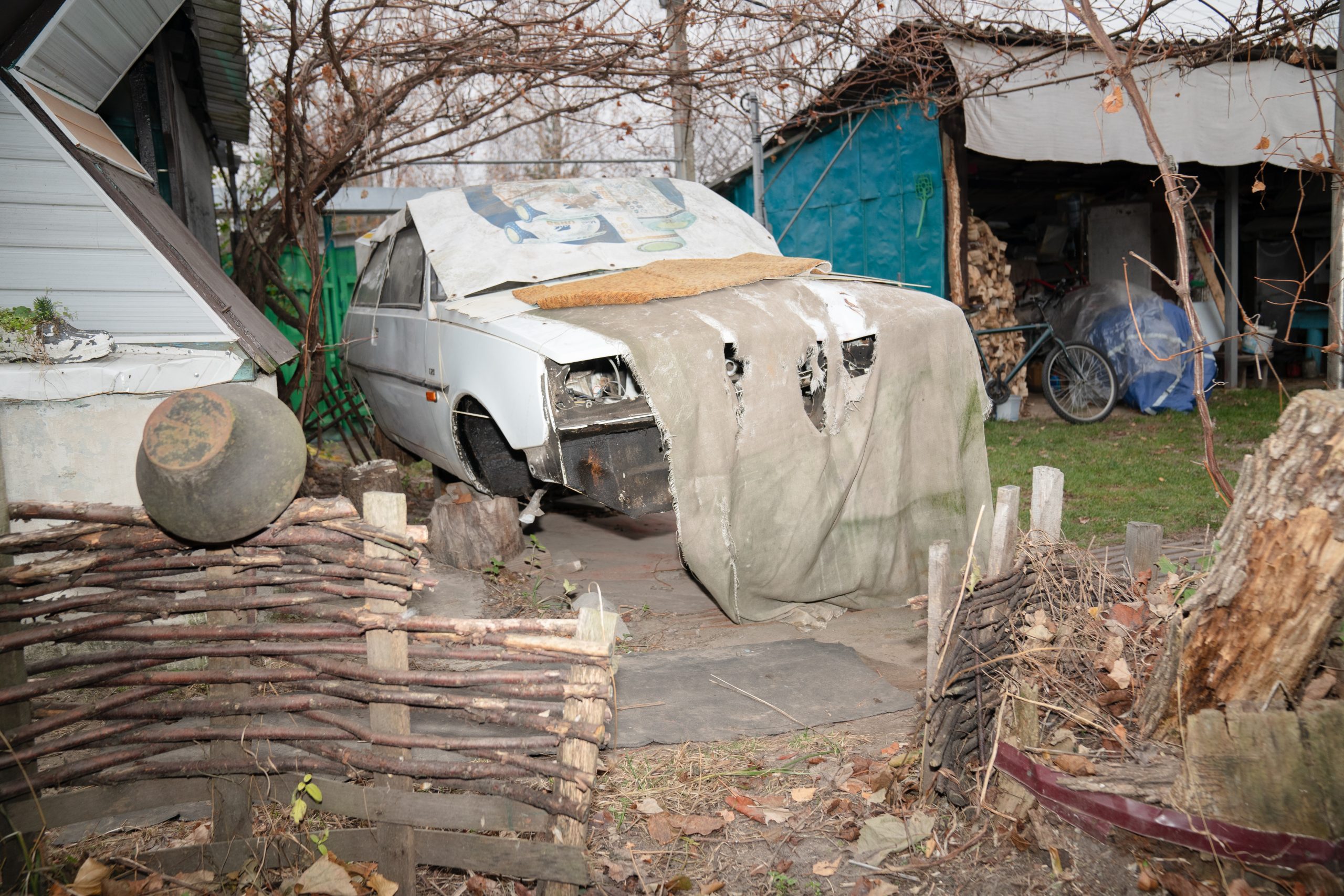
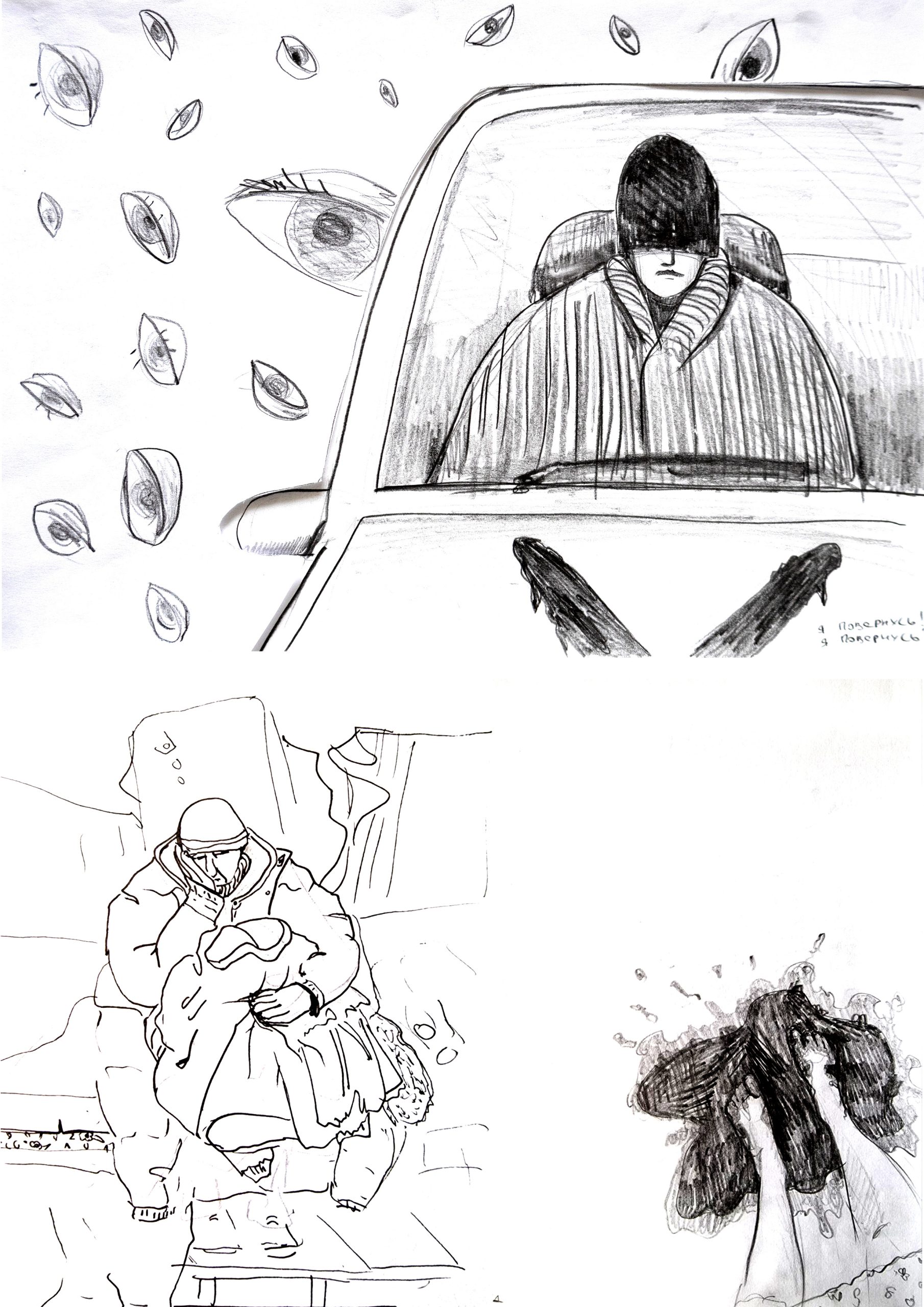
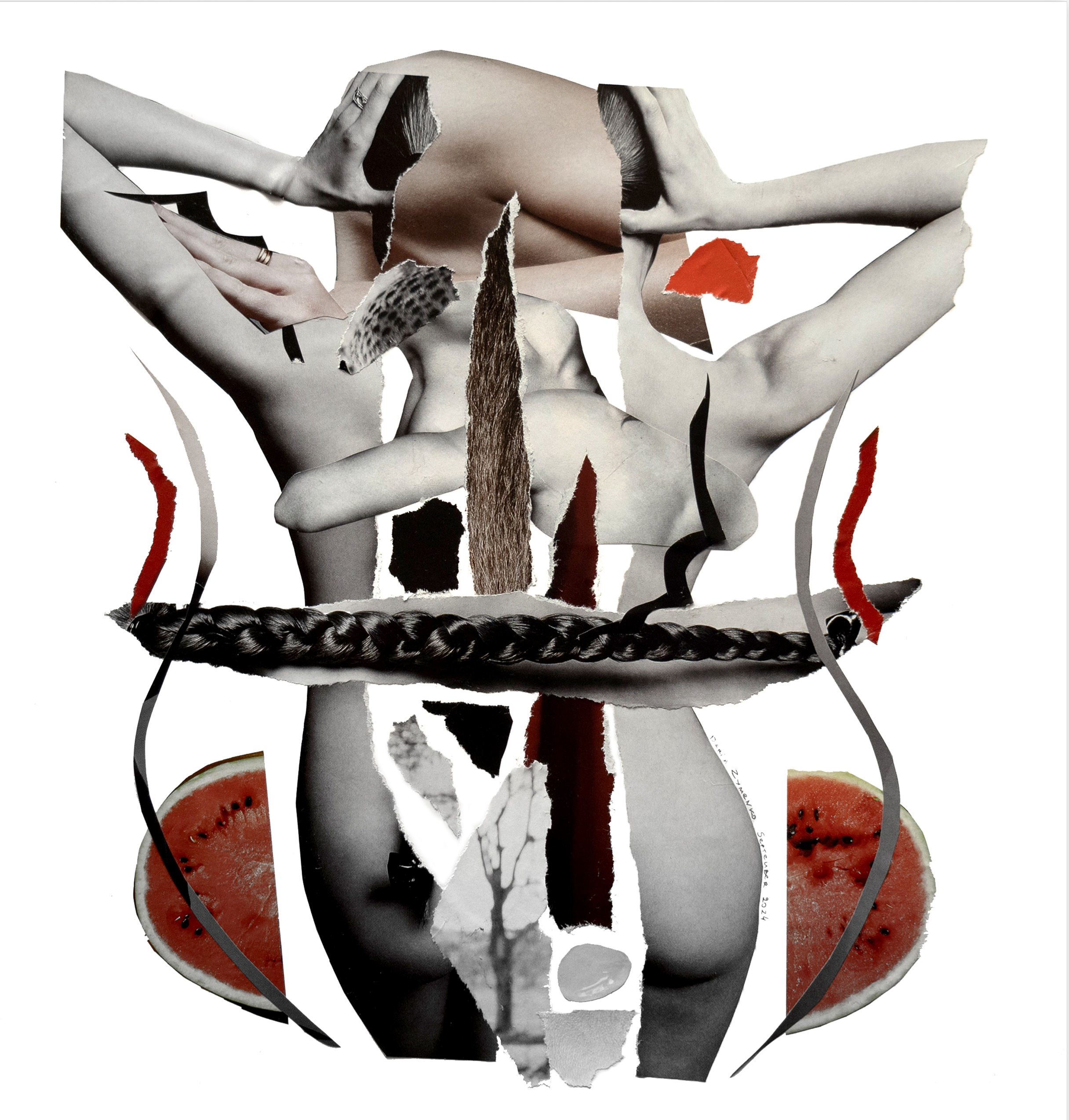
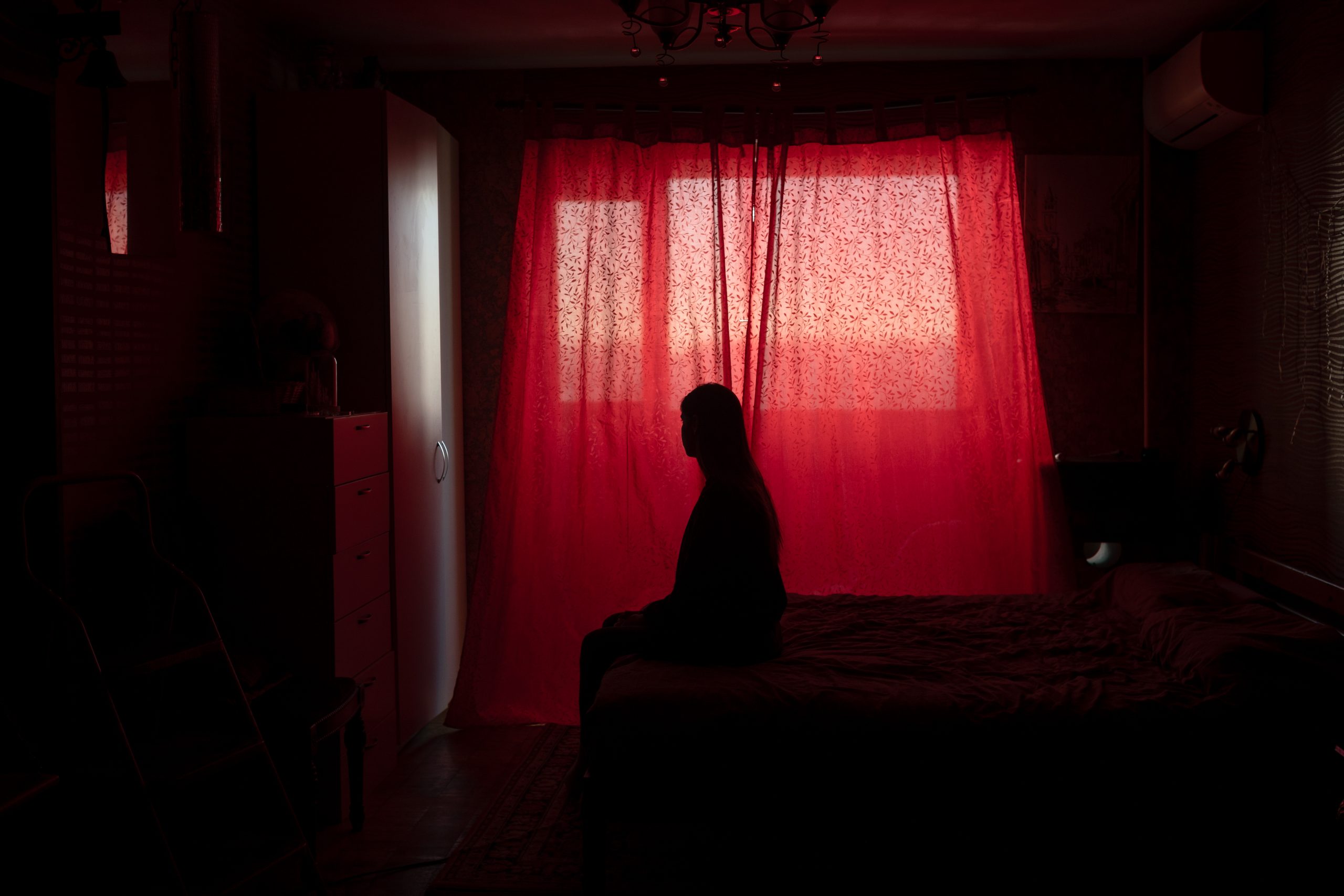
"Daria’s story is not only a story of immense pain, but also one of strength and courage to speak out. The project aims to give survivors a voice and make that voice visible and impossible to ignore. What the occupiers seek is silence, what they fear most is when survivors refuse to remain silent and start to speak out. "
In pictures