16 Days of Activism Against GBV: ending impunity for sexual and gender-based violence demands a holistic approach
16 Days of Activism Against GBV: ending impunity for sexual and gender-based violence demands a holistic approach
Sexual and gender-based violence remains a global crisis and one of the most pervasive human rights violations worldwide. In conflicts, the risks intensify and further restricts survivors’ access to support and justice mechanisms. In 2025, the UN verified 9,788 cases of conflict-related sexual violence globally – more than double the previous year’s figure, and still only a fraction of the true scale. The UN’s 2026 report also added Russian and Israeli armed and security forces to the “list of shame” for patterns of conflict-related sexual violence. LAW works in both Ukraine and Palestine to advance victims’ rights and pursue accountability, as well as in other conflict and post-conflict settings: Sudan, South Sudan, Somalia, Ethiopia, Shi Lanka, Myanmar and Rohingya crisis, Afghanistan, Lebanon and Syria. What victims are calling for, regardless of where they have been subjected to horrific violence, is justice.
By connecting LAW’s frontline experience with domestic, regional and international justice mechanisms, we pursue accountability grounded in survivors’ rights, demands and priorities.
As this year’s 16 Days of Activism against Gender-Based Violence begin, we highlight how this approach takes shape across the countries where LAW works: supporting survivors to be heard, challenging barriers to justice and pursuing legal avenues for accountability.
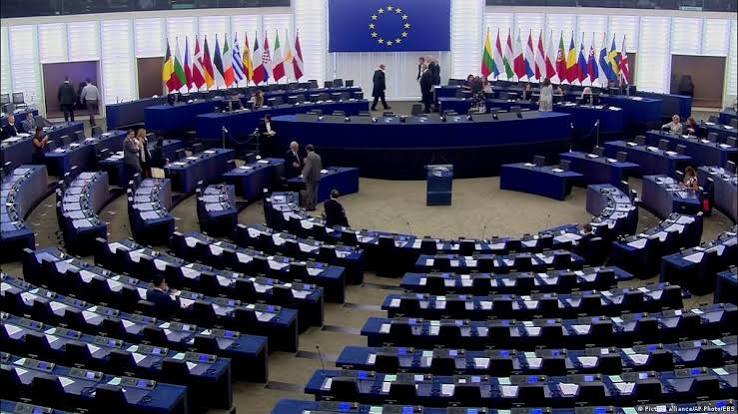
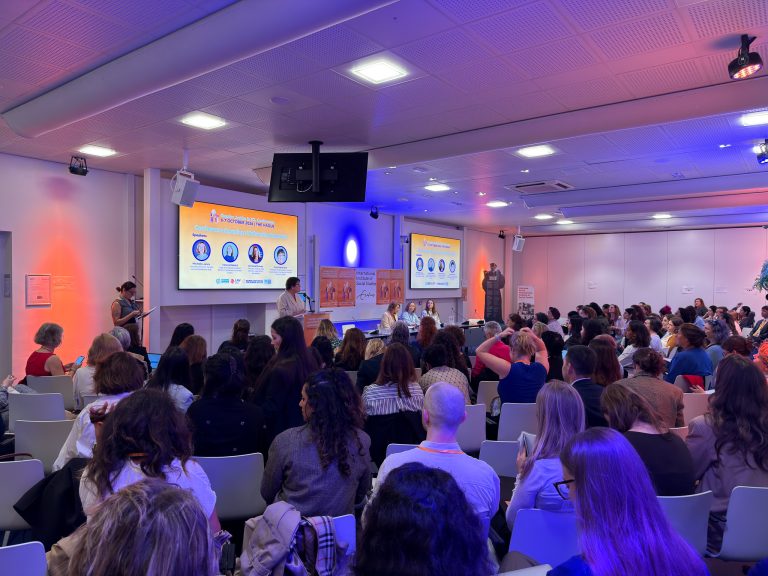
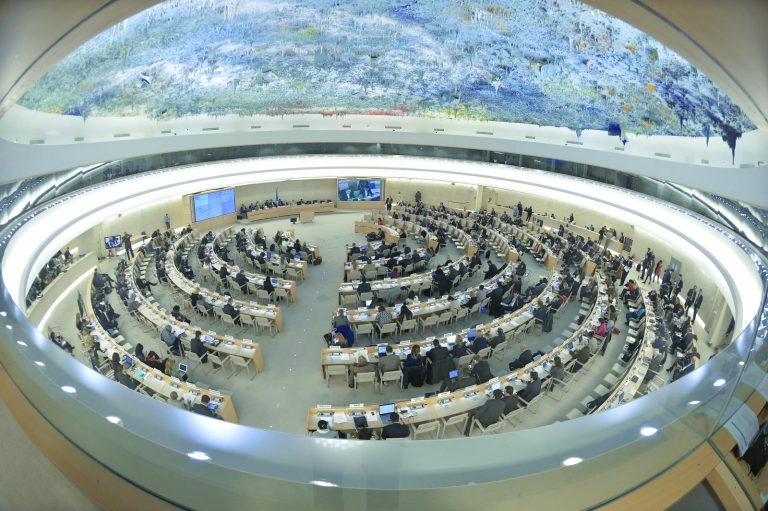
In 2026, on top of our frontline work, LAW took gender justice advocacy to key global forums, contributing extensively to the 70th session of the Commission on the Status of Women, co-organising the Gender Justice in International Criminal Law Conference 2026, and, in November, bringing the fight against sexual violence directly to the European Parliament through an address by LAW’s Executive Director:
“Beyond immediate care many survivors of sexual violence plead with us to assist them in obtaining justice for what has happened to them and their loved ones: they want both reparative and punitive justice.” she pointed out.
LAW also joined the CRSV Prosecution Network and participated in the UN Team of Experts’ conference in Nairobi, where Head of Litigation Nick Leddy spoke on survivor-centred approaches to accountability.
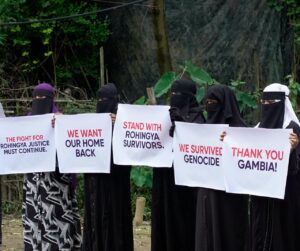
More recently, on 19th November, systematic sexual violence committed by the Myanmar military against the Rohingya community have been declared genocidal acts.
“We were used to keep this violence secret, but to prove the crime to the world there needs to be documentation and evidence out there, that’s why I and others decided to speak in front of the court”, said Salma*, a Rohingya survivor.
This historic finding by the highest court in the world is a significant victory for victims globally and particularly for the more than 400 Rohingya victims LAW represents in international legal proceedings.
Across conflicts we observe that survivors consistently want to be an active part of accountability efforts. LAW’s ongoing survey of more than 1,000 displaced Sudanese people and refugees found that over 95% believe accountability matters, more than 70% prioritise investigations and prosecutions, and 94% say survivors must have a voice in justice processes. Our work is to turn this demand into action.
Sometimes that means using domestic courts. In South Sudan, a complaint brought by LAW on behalf of three women, two of whom were just 14 when they were raped, gang raped and beaten by soldiers, became the country’s first war crimes case for sexual violence to be accepted by prosecutors. In Somalia, LAW has represented 80 survivors of sexual and gender-based violence before national courts, contributing to the conviction of 55 perpetrators. In Sri Lanka, LAW represented five Indonesian female survivors of trafficking and sexual slavery in a case that led to their exploiter’s conviction, a 15-year prison sentence and an order for compensation in 2025.
It also means strengthening the laws that make prosecutions possible. Somalia’s adoption of the Sexual Offences Bill, after more than a decade of advocacy, creates clearer legal pathways by defining and criminalising sexual offences. But laws on paper are only a first step: they must be implemented, survivors must be able to use them, and justice institutions must have the independence and resources.
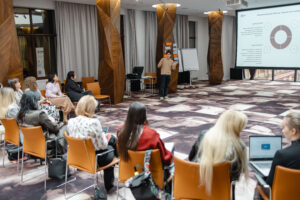
Just as important is strengthening the skills of the people working on these cases. Investigating sexual and gender-based violence requires much more than knowing the law. Police, prosecutors, investigators, lawyers and advocates need to know how to build trust with survivors and document evidence without causing further harm. In Ukraine, where Russian armed forces have used sexual violence as a weapon against civilian population for years, we train justice actors on trauma-informed and survivor-centered practices. In 2026, with partners JurFem and Projector we trained more than 320 professionals on documenting crimes against LGBTIQ+ people during the war, supported the Academy of Women Human Rights Defenders and led a series of gender studies trainings.
Where domestic justice is blocked or unavailable, survivors are increasingly looking beyond borders. In June 2026, LAW and the African Centre for Justice and Peace Studies filed a criminal complaint in Kenya on behalf of 12 Sudanese sexual violence victims, asking prosecutors to investigate ten members of the Rapid Support Forces for alleged war crimes and crimes against humanity. It was the first complaint of its kind filed in Kenya under universal jurisdiction.
In Argentina, LAW represents Rohingya survivors in a universal jurisdiction case in which seven LAW-supported witnesses testified, helping secure 25 arrest warrants against Myanmar officials in February 2025. Cooperation with Argentine prosecutors and the Independent Investigative Mechanism for Myanmar (IIMM) helped advance the case.
Similarly, after Myanmar’s 2021 coup, we filed a criminal complaint with the Australian Federal Police on behalf of ten victims of sexual violence and requesting an investigation into at least 35 officials from Myanmar’s military, police and prison system. Australian authorities ultimately declined to proceed, citing practical barriers. But such efforts matter: preserving evidence and testing new legal avenues today can help make prosecutions possible tomorrow.
Strategic litigation through international courts and human rights mechanisms provide another route.
“Survivors should not have to wait for the perfect justice mechanism to appear. Our role is to look at every legal avenue available and ask: where can we act and where can survivors’ voices have the greatest impact?” says LAW’s Head of Litigation, Nick Leddy.
LAW represents more than 20 Darfuri women before the International Criminal Court, while 35 South Sudanese CRSV survivors have taken their case to the UN Committee on the Elimination of Discrimination against Women. In a groundbreaking decision, the Committee agreed to protect their identities when communicating their complaint to the State – something that never happened before.
The 16 Days of Activism are a reminder that ending sexual and gender-based violence requires more than condemning it. A reminder of what should come next – meaningful justice. There is no single courtroom, institution or mechanism that can deliver justice everywhere. It requires turning survivors’ demands into action, building justice systems that work for them, and continuing to pursue accountability wherever a viable legal avenue exists.