Historic ruling: International Court of Justice finds Myanmar responsible for Genocide against the Rohingya
Historic ruling: International Court of Justice finds Myanmar responsible for Genocide against the Rohingya
Press Release – 19 November 2026
The Hague (LAW) — In a landmark victory for Rohingya survivors and all victims of Myanmar’s military, the International Court of Justice (ICJ) has found the State of Myanmar responsible for committing genocide against the Rohingya. This is the first time in the Court’s 80-year history that a state has been found responsible for genocide.
The International Court of Justice found Myanmar responsible for a broad set of conduct. It said the evidence fully established three of the four underlying acts of genocide alleged by The Gambia: killing Rohingya; causing them serious bodily or mental harm, including through widespread sexual violence; and imposing measures intended to prevent births within the group, breaching Articles II (a), (b), and (d) of the Genocide Convention. The Court declared — being fully convinced — that the only reasonable inference explaining the Myanmar military acts, fully attributable to the Myanmar State, was to destroy a substantial part of the Rohingya group, rejecting Myanmar’s claims of conducting carrying out legitimate counterterrorism operations.
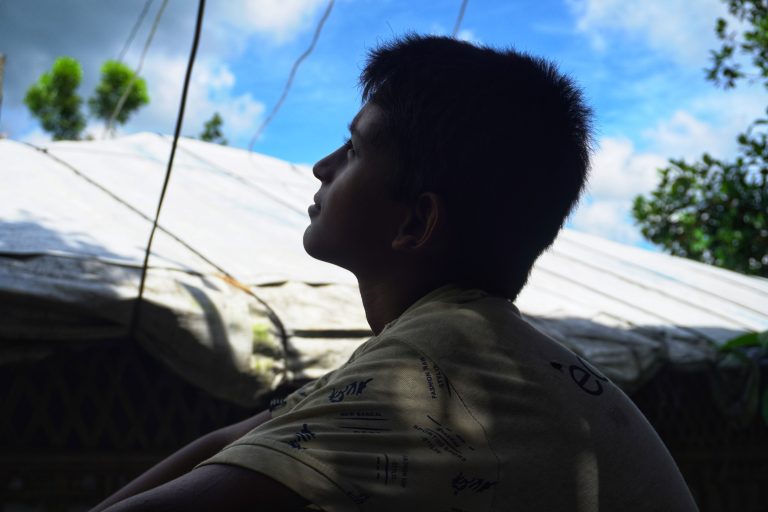
Today is a historic day which belongs to the Rohingya; to the survivors who fought for years to be heard; to the families still living in the refugee camps; and to those who did not live to see such a day.
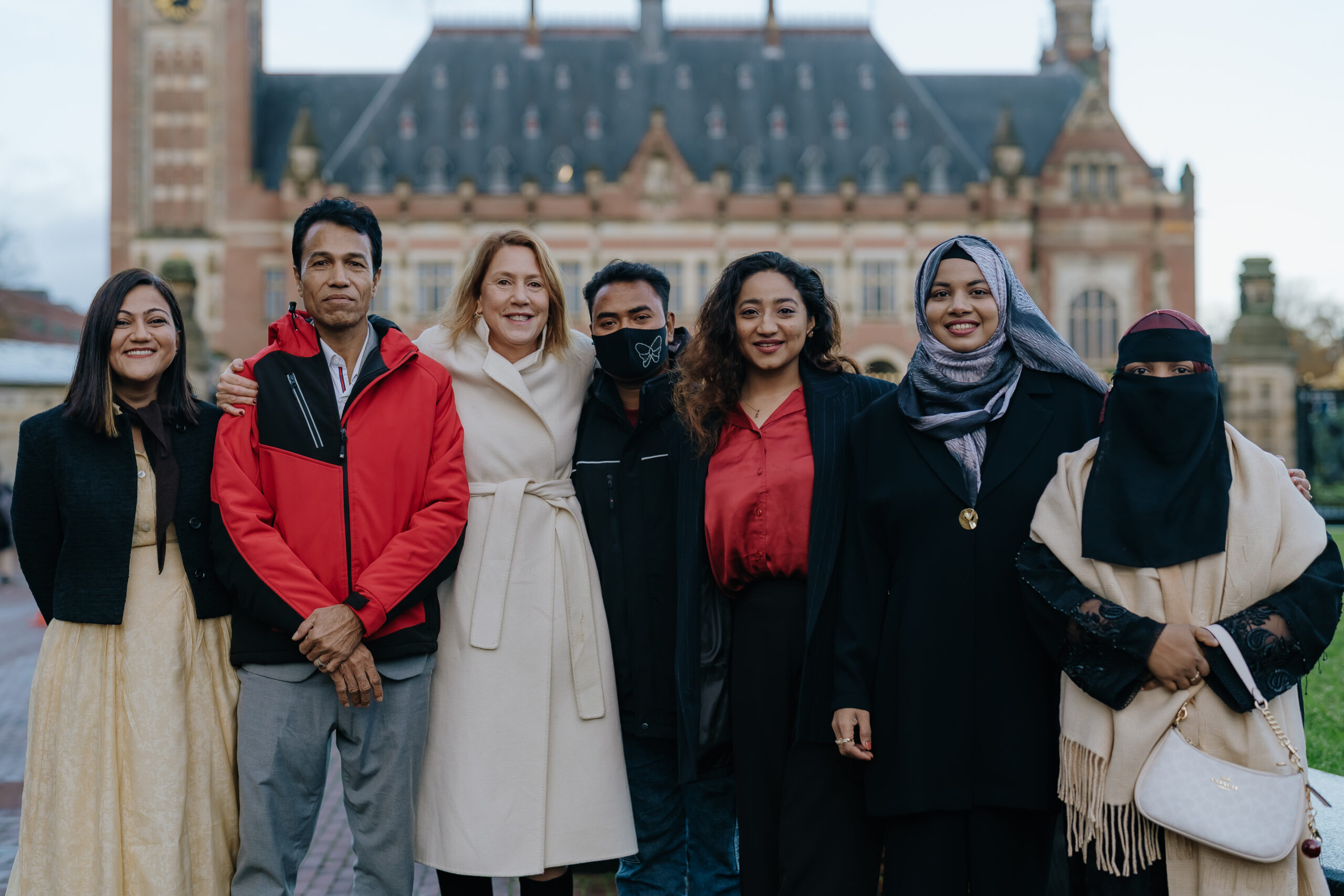
For Yousuf Ali, a Rohingya survivor and member of the victims’ delegation traveling from Cox’s Bazar who was present in court today, the judgment comes after ten years of fighting for justice and recognition for his community and the horrific violence he personally suffered: “Today, we have finally been heard, and it is a profound relief. This judgment gives hope to our children and the next generation of Rohingya. But our fight is not over. We need our rights, our citizenship, reparations and the chance to return home safely and with dignity.”
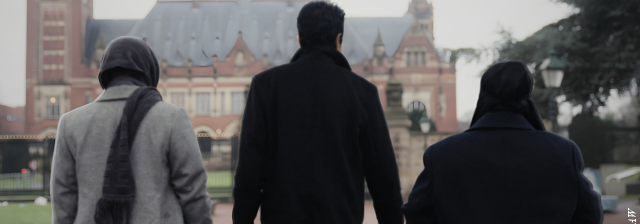
Among those who gave evidence in-person was Witness NJ, a Rohingya survivor represented by Legal Action Worldwide (LAW), who testified before the Court in January 2026. “I am very happy; we have all been waiting for this verdict for so long. We wanted peace for our people through this judgement, and finally we have been heard by the world’s court“, she said.
In addition to accepting the factual findings made by the United Nations Fact-Finding Mission on Myanmar, the Court also found LAW’s evidence credible overall and assessed the testimony of the three witnesses LAW represented favourably.
The Court further recognised The Gambia’s right to seek reparations on behalf of Rohingya victims and ordered Myanmar to permit displaced Rohingya to return to their homes, restore property, facilitate searches for missing and deceased persons, provide treatment for physical and psychological injuries, and protect the Rohingya against further violations.
It clarified that, where restoration of property or other forms of restitution are impossible or insufficient, Myanmar must provide adequate compensation. The Court did not determine a monetary amount today. Further proceedings are envisaged to determine compensation, potentially over approximately the next two years.
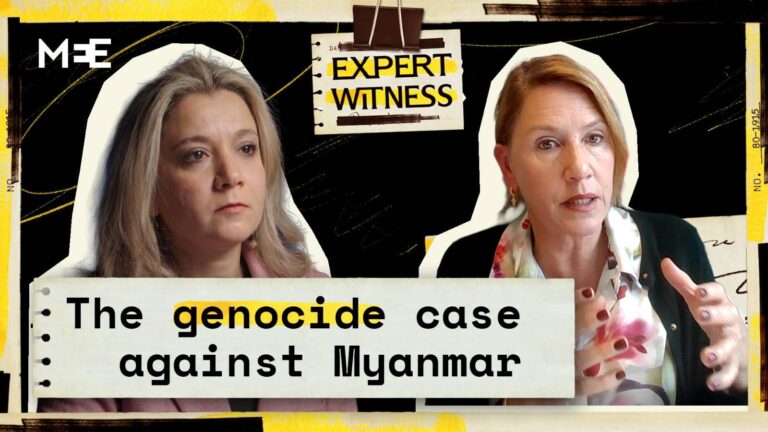
States must now act. A judgment alone will not transform survivors’ lives. “Today, the world’s highest court has recognised what the Rohingya have been telling the world for years,” said Antonia Mulvey, Executive Director of LAW. “This is international justice in action, won through the courage of survivors who refused to be silenced; States must now turn this judgment into action through reparations with the establishment of a victims trust fund and register of damages, targeted sanctions against and prosecution of Myanmar leaders, and the restoration of Rohingya rights.”
This judgment reaches far beyond Myanmar. It sends a powerful message to communities facing the gravest crimes around the world: justice may take years, but evidence matters. Survivors’ voices matter. Persistence matters.
LAW pays tribute to The Gambia for bringing this case, to those who documented the atrocities, and to the Government of Canada, the European Union and the government of the Netherlands, who funded our work.
Above all, we salute the Rohingya survivors, who never stopped demanding justice.
For more information, please contact:
Lucien Christen, Global Communications Manager, [email protected], +41765343816