A historic milestone for justice: Merits hearings begin in The Gambia v. Myanmar genocide case at the International Court of Justice
A historic milestone for justice: Merits hearings begin in The Gambia v. Myanmar genocide case at the International Court of Justice
On 12 January 2026, the International Court of Justice (ICJ) in The Hague will begin public hearings on the merits of the…
On 12 January 2026, the International Court of Justice (ICJ) in The Hague will begin public hearings on the merits of the landmark genocide case brought by The Gambia against Myanmar, for the atrocities committed against the Rohingya people during the 2016 and 2017 “clearance operations”.
This marks the first time in over a decade that the “World Court” will hold full merits hearings in a genocide case, and the stakes for the Rohingya people and international law could not be higher.
What to expect?
Over three weeks (12–29 January 2026), the Court will examine the substance of the dispute, finally addressing the heart of the matter: whether Myanmar breached the 1948 Genocide Convention, it ratified in 1956.
- Week 1: Both The Gambia and Myanmar will present oral arguments regarding evidence of atrocities committed by the Myanmar military.
- Week 2: Exceptionally rare witness examination sessions (closed sessions).
- Week 3: A final round of responses will be delivered by both parties.
A rare legal moment: Victims’ testimonies
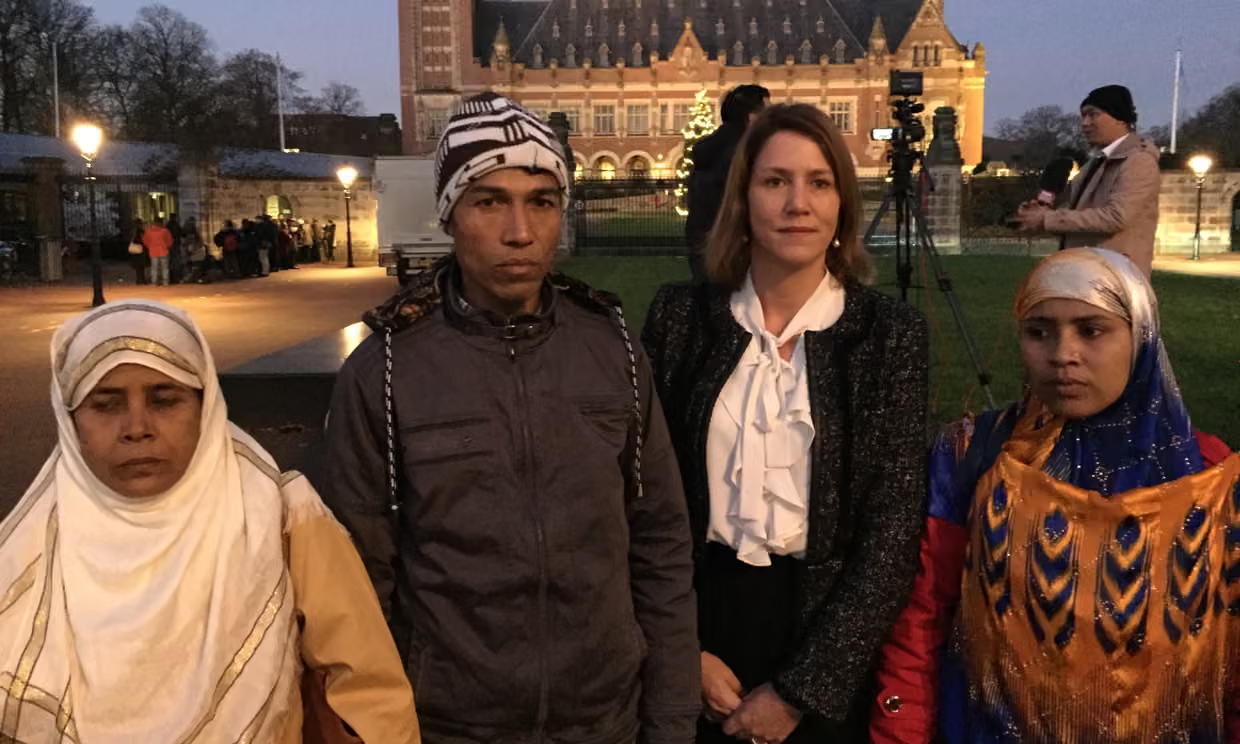
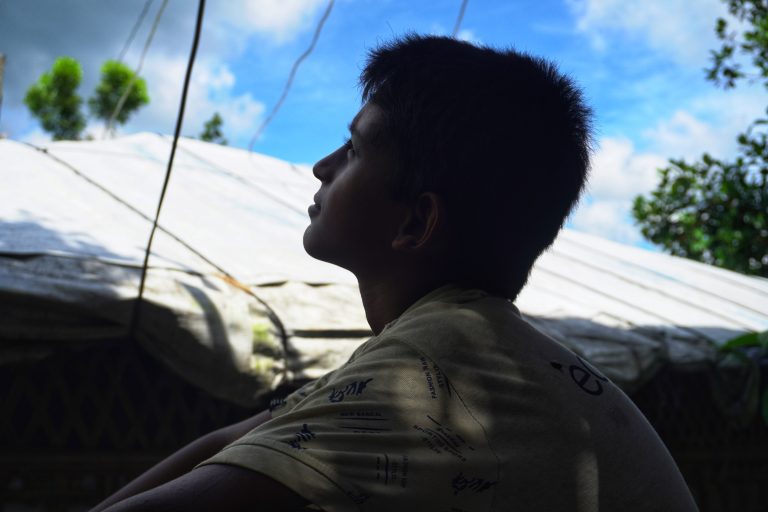
Legal Action Worldwide (LAW) will be present in the court with a delegation of victims and witnesses comprising Rohingya men, women, and hijra (transgender) individuals traveling from Cox’s Bazar to The Hague.
Witnesses will testify in closed sessions. In-person witness testimony is exceptionally rare at the ICJ, which typically only hears from state representatives or subject-matter experts.
“The decision to allow victims to speak directly to the Court is a watershed moment, not only for those present in the court, but for the Rohingya community as a whole. Myanmar has consistently challenged the credibility of evidence submitted by the Rohingya, especially the sexual violence they have suffered”, said Antonia Mulvey, LAW’s Executive Director, who is accompanying the victims to The Hague.
By appearing in person, these witnesses bravely provide:
- Direct Accountability: They confront the military junta’s narrative with first-hand truth.
- Legal Reliability: Live examination allows the Court to establish the reliability of the overall evidence submitted by The Gambia.
- Symbolic Justice: A community whose very existence has been denied, including through rampant sexual violence and the deliberate targeting of children, will be heard by the world’s highest court is a profound act of recognition.
Global justice in a deteriorating climate
These hearings occur against a backdrop of intensifying armed conflicts globally, sustained pressure on international justice institutions, and attacks on international law. In Myanmar itself, the situation remains dire. Amid ongoing sham elections aimed at legitimizing past and ongoing grave human rights violations and international crimes, the Myanmar military junta continues to violently repress and abuse its own population, especially ethnic and religious minorities.
Over 1.1 million Rohingya remain in precarious conditions in Bangladesh, with another 630,000 in Myanmar living in areas affected by armed conflict and subjected to atrocious sexual violence, amounting to crimes against humanity and war crimes.
In Rakhine State, conflict between the military and the Arakan Army has intensified, with the junta conducting over 2,100 airstrikes in 2025 alone. Non-State armed groups have also been committing war crimes against the Rohingya.
This case is a “lighthouse” for other mass atrocity contexts, including South Africa’s case against Israel concerning Gaza. It challenges the unduly high bar of proving genocidal intent, arguing that intent can be inferred from the severity and scale of conduct. This argument has been made by some of the 11 intervening States in the Myanmar case.
Looking Ahead
While a final judgment may take 6 to 12 months following the hearings, a positive ruling would be the first-ever finding by the ICJ on state responsibility for committing genocide. Even if enforcement remains a challenge, such a verdict would provide the legal foundation to demand reparations, restore citizenship, and dismantle the culture of impunity that has protected the Myanmar military for decades.
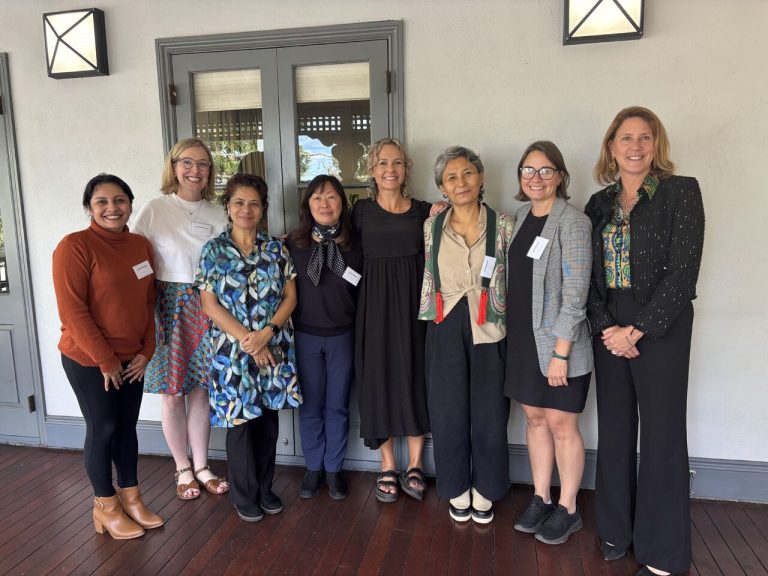
We are thankful to the European Union and the Government of Canada for their financial support, that made the participation of victims possible.