Women on the Frontline: artists turn pain into powerful call for justice
Accountability & Rule of Law - Gender Equality & GBV - Global - Advocacy
Sometimes art speaks where words and statistics fall short.
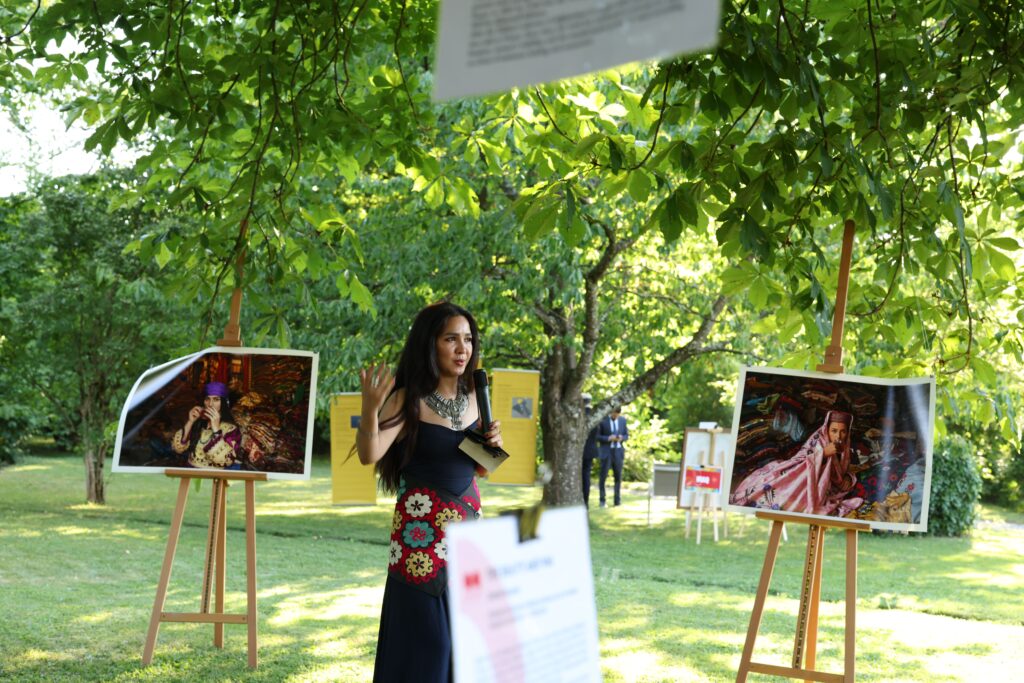
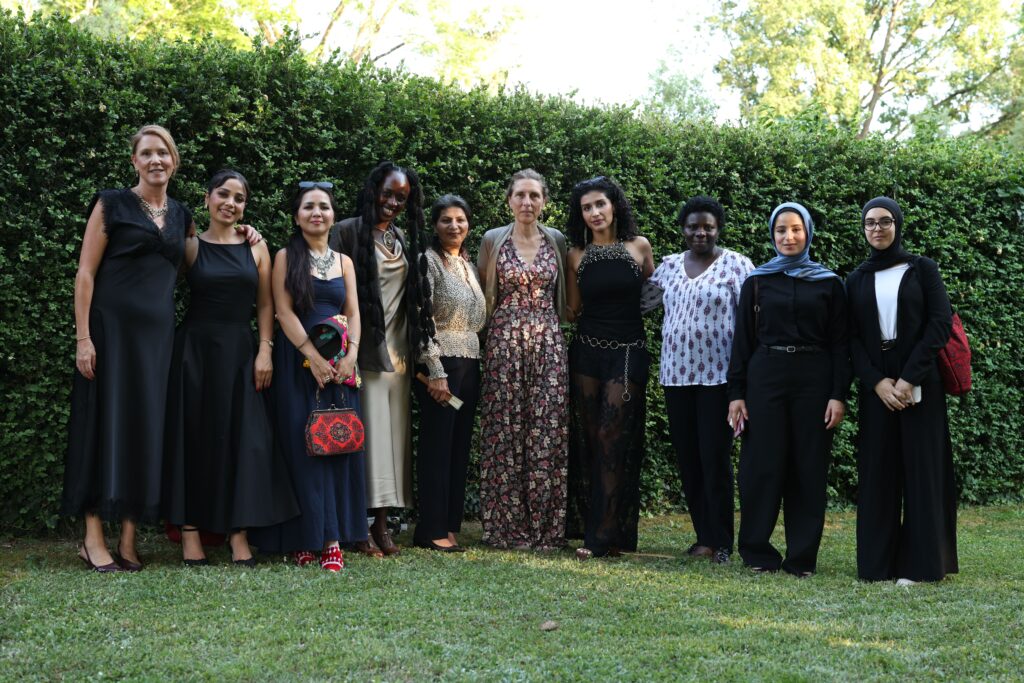
On 22 June 2026, on the margins of the 62nd session of the UN Human Rights Council, Legal Action Worldwide (LAW), together with the Delegation of the European Union to the UN in Geneva and with the support of the Permanent Mission of Norway, hosted Women on the Frontline, an evening dedicated to the women who live through conflict and to the art through which they tell their own stories. Before an audience of ambassadors, diplomats and heads of UN agencies and civil-society organisations, women artists from Sudan, Afghanistan, Iraq, Iran, Uganda and Palestine shared song, dance, poetry, painting, photography and a virtual-reality experience – each a different way of speaking about what reports and statistics so often render abstract.
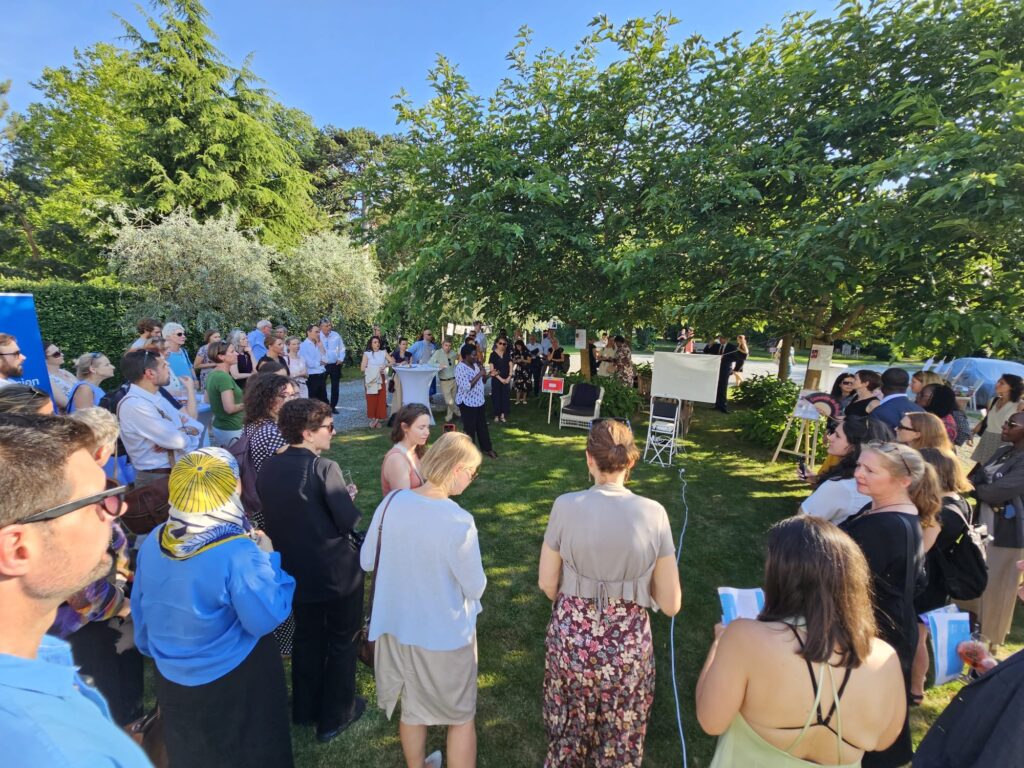
The evening opened and closed with some words from the host, ambassador Deike Potzel from the Delegation of the European Union to the United Nations and other international organisations in Geneva, accompanied by the voice of Sudanese singer Jumana Eltigani, whose final song of hope – for the women who make us who we are – engaged the audience.
In between, the artists offered testimony of extraordinary courage:
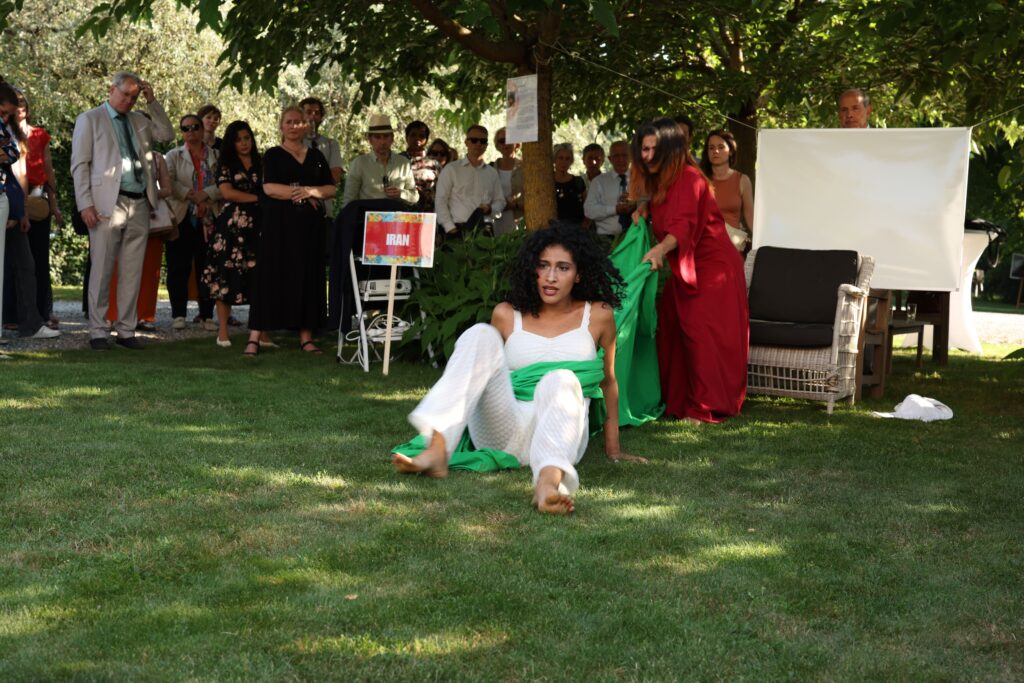
Jeyran Fathi, from Iran, who danced with her mother and showed that experiences are carried across generations, and that art becomes a language of its own when others fail;
Sepan Ajo, a Yazidi survivor who endured nearly seven years of ISIS captivity and now paints and supports the recreation of the genocide in virtual reality;
Fatimah Hossaini, an Afghan photographer who insists the world see Afghan women not only through the lens of oppression but in their beauty, history and dignity;
Batool Akleen, a poet from Gaza read from the collection (48 Kg) she wrote to hold herself together, and named a fear too often left unspoken: the fear of rape that forced a million women from their homes.
Nour Elassy, a writer from Gaza laid bare how the destruction of courts and ministries has stripped women of the legal protection that was supposed to be theirs, and how the world responded with reports, not action.
And Grace Acan, a Ugandan survivor-advocate and one of the founding members of SEMA (the Global Network of Victims and Survivors to End Wartime Sexual Violence), whose decades of work give a voice to others.
Across every story ran a single thread: where words are not enough and justice is delayed, art can hold memory, process trauma, resist erasure, and create space for women to be heard.
“I’ve sat with so many women across conflicts over the years. What I saw on Monday, I see again and again: women who have endured unspeakable violence, and who still turn toward each other. Who still create. Who still fight”, shares Antonia Mulvey, LAW’s Executive director, reflecting on the event.
For LAW, this evening was yet another avenue to ensure women voices are heard, acknowledged and placed at the center of accountability and justice efforts, globally. Our teams work on the frontlines alongside those whose rights have been violated, turning testimony into tangible accountability, and challenging the impunity that so often follows crimes against women and girls. Just 10 days ago, LAW filed a landmark war crimes complaint in Nairobi, on behalf of Sudanese survivors; in January, it accompanied two Rohingya women to the genocide hearings against Myanmar at the International Court of Justice. We support women sexually abused in Sri Lanka, Ukraine, South Sudan. Women on the Frontline was a reminder of why this matters: that behind every figure in a report is a woman with a name, a voice and a story and that listening to her is where justice begins.